


2025 Election Trends: What Experts Are Predicting
Elections in 2025 are shaping up to be some of the most transformative in recent history. With rapid technological advancements, shifting demographics, and evolving political attitudes, the way people vote and the way campaigns are run are undergoing significant change.
Experts across the globe are keeping a close eye on the trends that will shape the future of democracy. Here’s what they’re predicting—and why it matters.
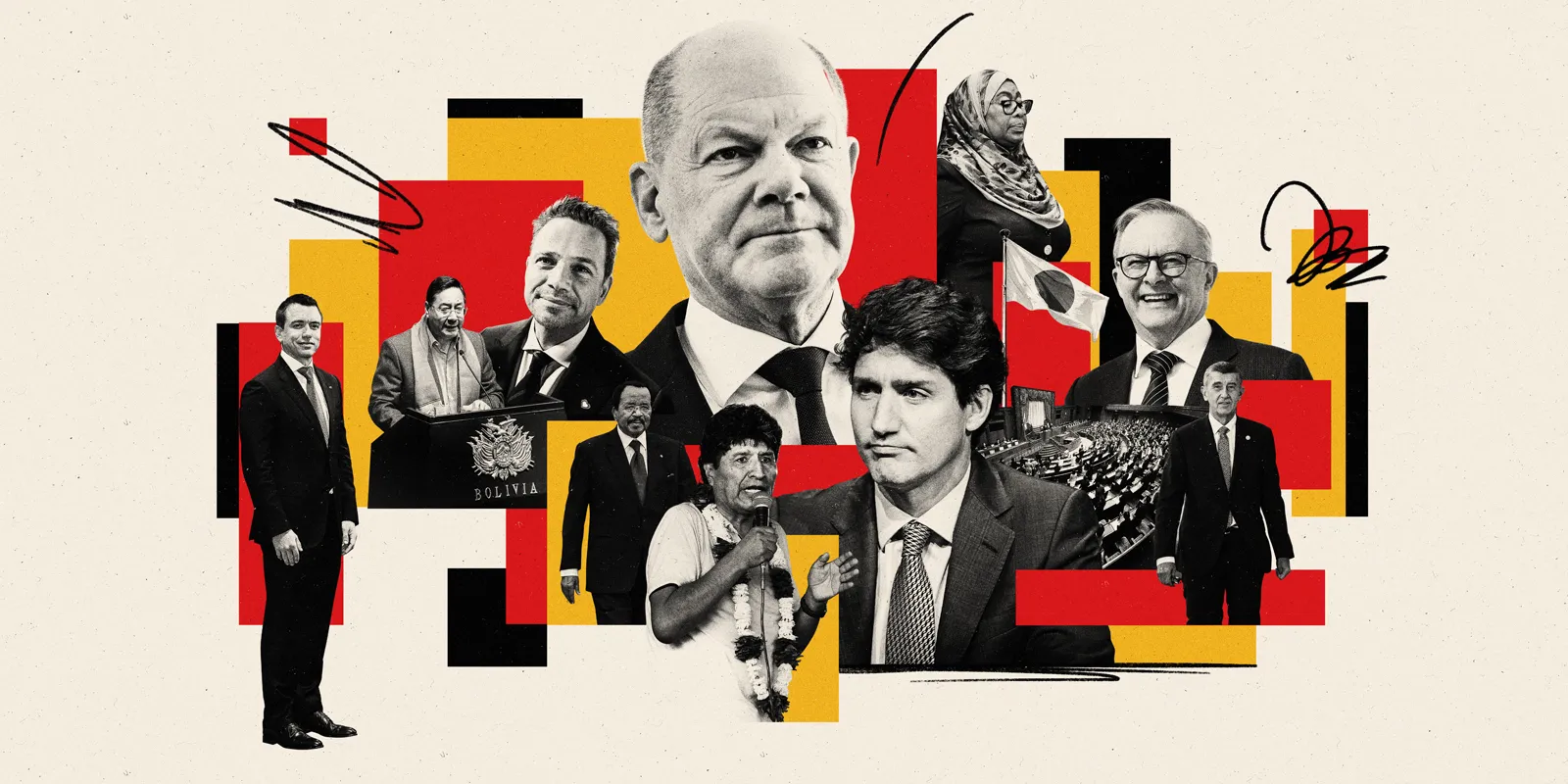
1. The Rise of AI in Campaign Strategy
Artificial Intelligence is no longer just a futuristic concept—it’s becoming a central part of campaign operations.
How it’s being used:
-
Predictive analytics to identify likely voters and target messaging
-
Chatbots and virtual assistants for voter outreach
-
Deepfake detection and content monitoring
AI allows campaigns to make data-driven decisions with precision, tailoring their efforts to individual voter behavior in real-time.

2. Youth Voter Turnout Is Expected to Surge
Experts are predicting a major increase in Gen Z and young millennial voter participation in 2025 elections.
Why it matters:
-
Young voters are highly active on social media and care deeply about issues like climate change, education, and digital rights.
-
Platforms like TikTok and Instagram have become key for political engagement.
-
Online voter registration and mobile voting pilots are reducing friction.
In countries with historically low youth turnout, this could tip the balance in competitive races.

3. The Decline of Traditional Party Loyalty
Voters are increasingly identifying as independents or issue-based voters rather than aligning with traditional political parties.
Key insights:
-
Polarization is driving many voters away from party politics.
-
Voters are choosing candidates based on specific issues rather than ideologies.
-
Third-party and outsider candidates are gaining traction, especially in local and regional elections.
This shift could dramatically reshape political landscapes and challenge long-established power structures.
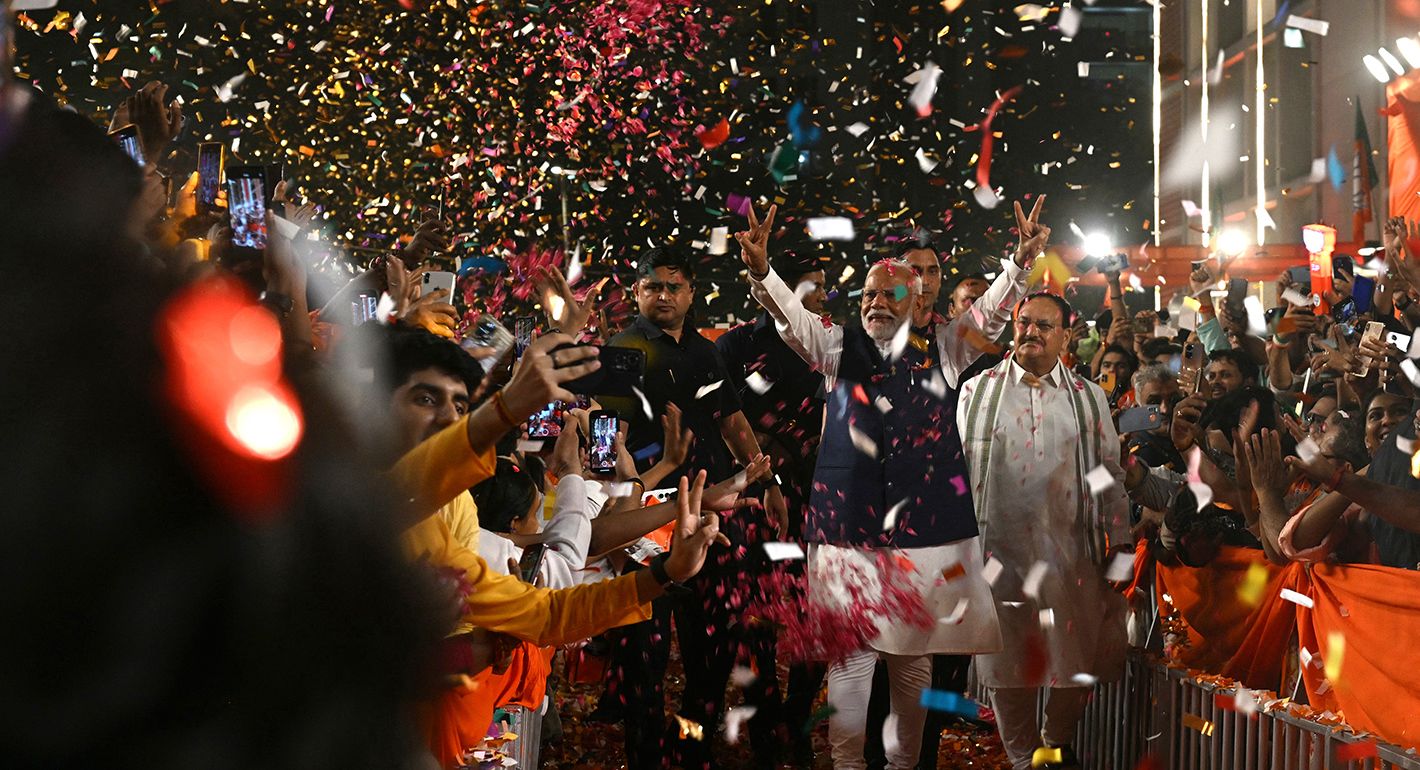
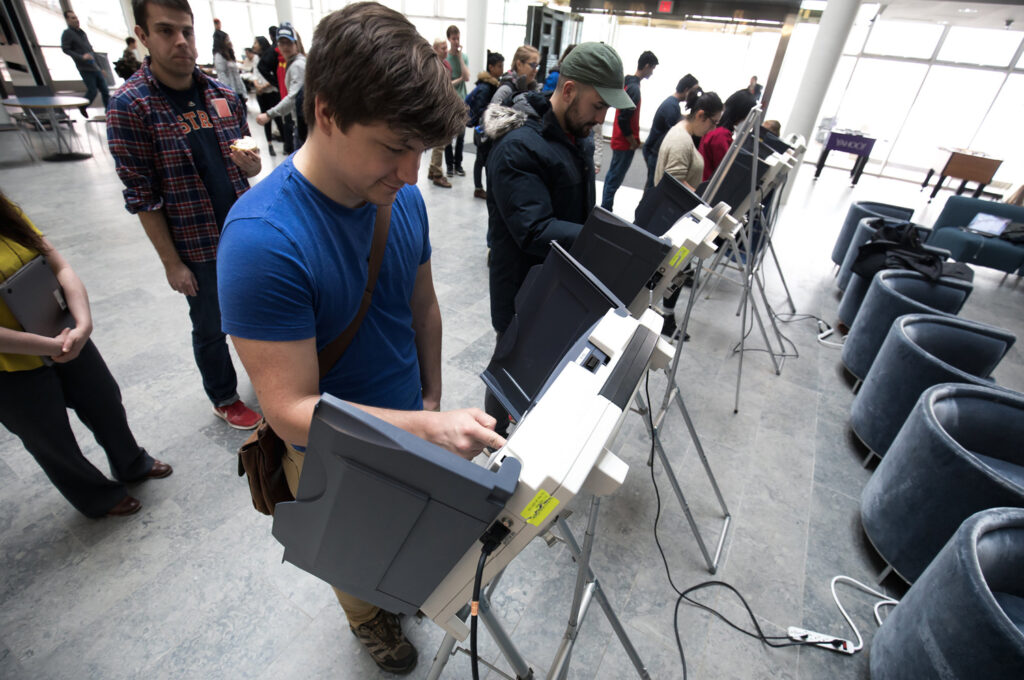
4. Voting Technology and Election Security
With increased digitization comes a renewed focus on election integrity and cybersecurity.
Trends include:
-
Blockchain-based voting trials in several countries
-
Biometric voter authentication
-
Real-time audit trails to ensure vote accuracy
While these technologies promise efficiency, they also raise questions about privacy, access, and potential system vulnerabilities.
5. The Continued Power of Social Media and Influencers
Social media is still one of the most powerful forces in shaping public opinion—and now, influencers are playing an even bigger role in political campaigns.
What’s new in 2025:
-
Politicians partnering with creators for livestream interviews and “day-in-the-life” videos
-
Short-form political education content going viral
-
Fact-checking tools built into major platforms to fight disinformation
Social media allows candidates to bypass traditional media and connect directly with voters—but it also creates space for misinformation and manipulation.

6. Climate and AI Policy Take Center Stage
In 2025, climate change and technology regulation are at the forefront of many election platforms worldwide.
Key topics:
-
Climate resilience, clean energy transition, and carbon taxation
-
AI ethics, regulation of autonomous systems, and job displacement
-
Data privacy and surveillance concerns
These issues resonate across age groups and political affiliations, pushing them to the top of debate stages and policy proposals.

7. Global Influence on National Elections
With increasing globalization, experts note a growing concern over foreign interference and cross-border campaign influence.
Examples:
-
Foreign-funded disinformation campaigns
-
Digital ads targeting voters from abroad
-
Alliances between political parties and foreign governments
In response, many governments are introducing stricter regulations on campaign financing and digital advertising transparency.
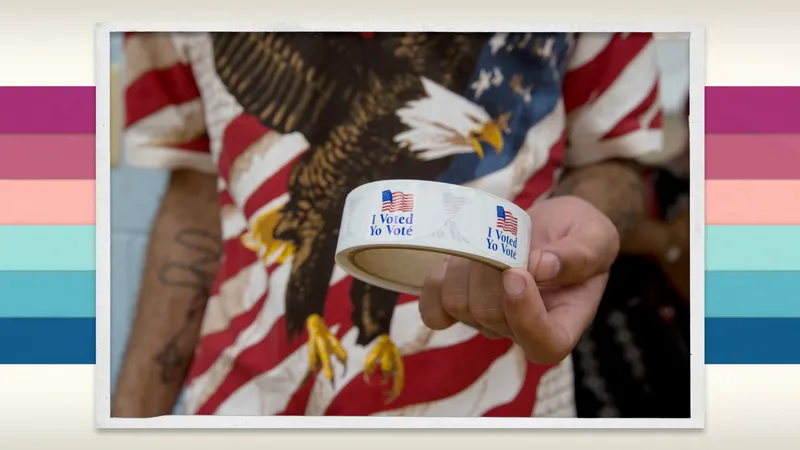
8. Women and Minority Candidates Are Gaining Ground
The 2025 elections are expected to see a record number of female and minority candidates, especially in local and parliamentary races.
What this means:
-
Broader representation across all levels of government
-
New perspectives influencing legislative priorities
-
Greater focus on inclusion, equity, and justice policies
Representation is not only improving diversity—it’s energizing new voter segments and changing the political narrative.
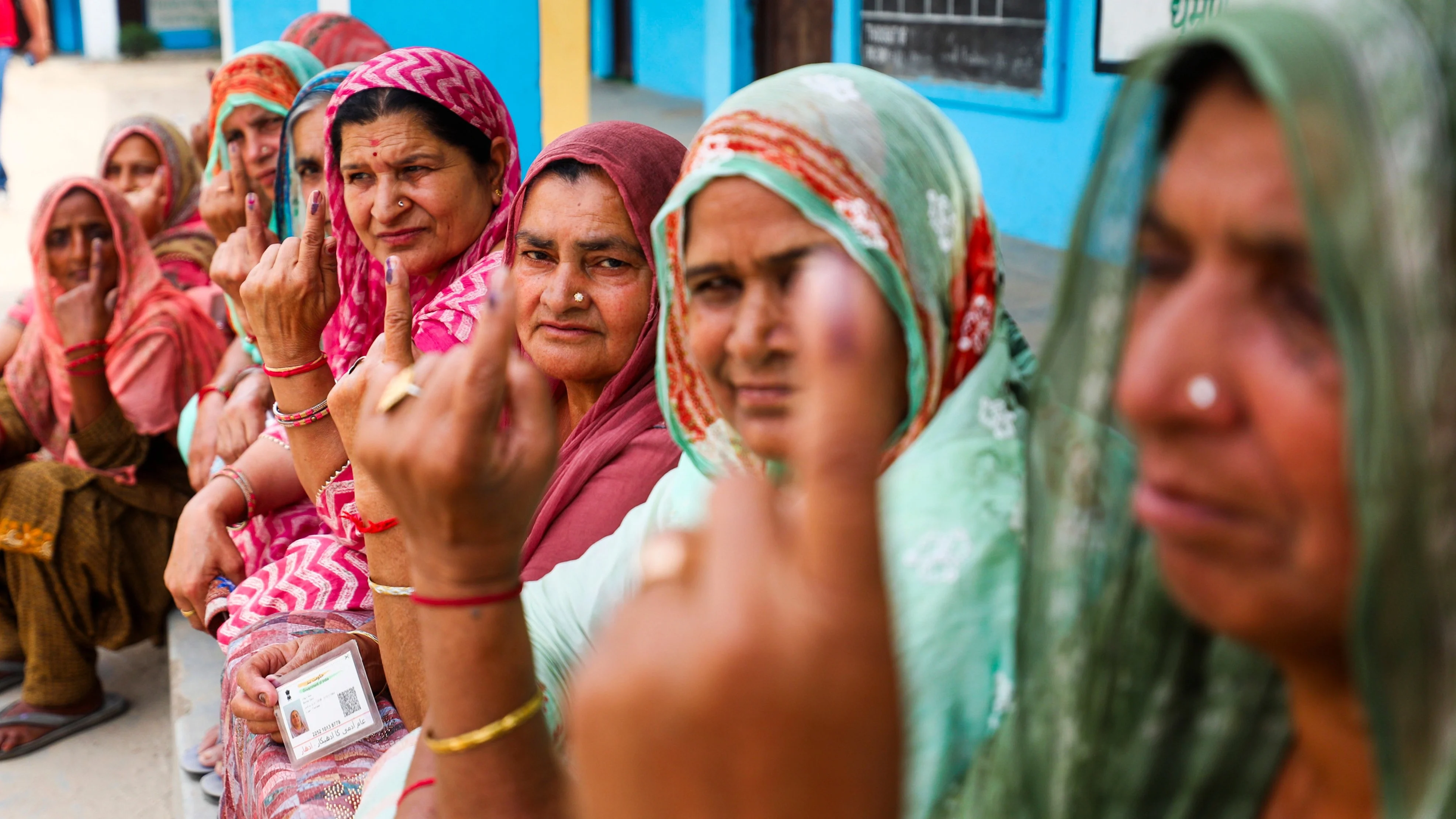
9. Increased Voter Apathy in Some Regions
While engagement is increasing among some groups, experts warn of growing voter fatigue and apathy in others—particularly in areas plagued by corruption or ineffective governance.
Contributing factors:
-
Disillusionment with political promises
-
Distrust in institutions and media
-
Economic hardship and instability
Addressing voter apathy will require rebuilding trust and creating systems that genuinely reflect public will.
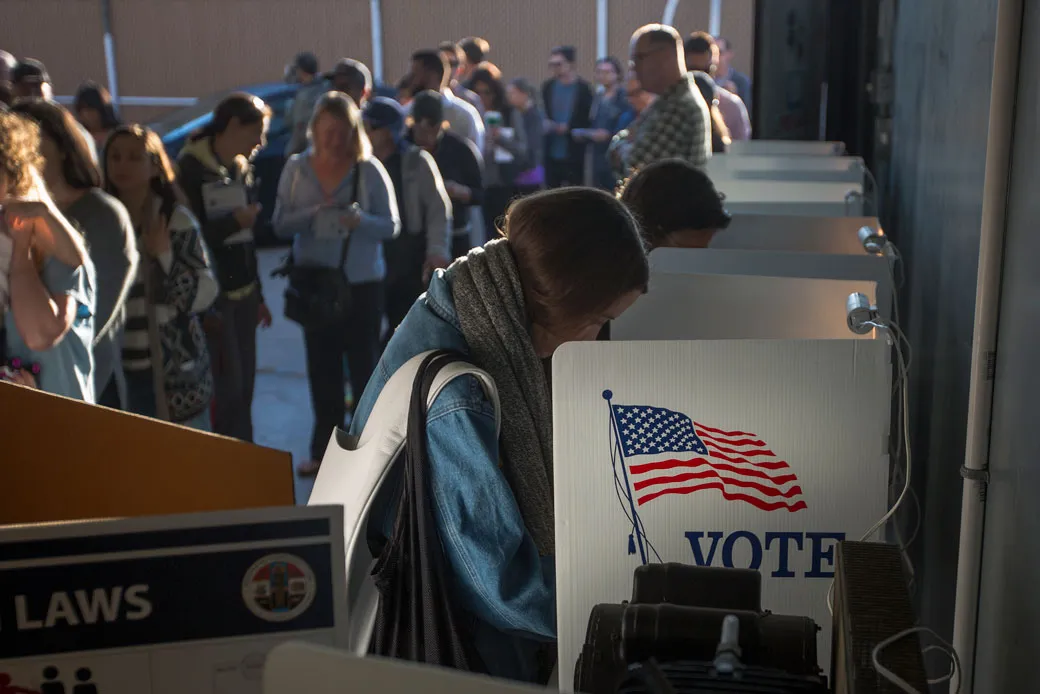
10. Personalized Campaigning and the End of One-Size-Fits-All
Thanks to big data and advanced targeting, campaigns are moving away from blanket messaging.
Expect:
-
Hyper-personalized campaign emails and ads
-
Candidate content tailored to your local issues and values
-
Interactive platforms allowing voter feedback in real-time
This personalization helps campaigns resonate more deeply with individual voters—but it also raises ethical concerns about manipulation and privacy.

Conclusion: Democracy in a Time of Change
The 2025 elections represent more than a political cycle—they reflect a global transformation in how democracy is practiced. With new technologies, evolving voter behavior, and pressing global issues at the center, both politicians and the public must adapt quickly.
Staying informed, questioning sources, and participating in dialogue are more important than ever. Whether you're casting your vote or simply observing from the sidelines, these election trends are shaping the future—one ballot at a time.






Comments 0
Sign in to join the conversation.
No comments yet. Be the first to say something.