

10 Psychological Tricks Your Brain Uses Against You
Introduction
Your brain is one of the most powerful tools you possess. It helps you think, solve problems, make decisions, and navigate the world. But here’s the surprising truth: your brain is not always on your side.
Every day, your mind uses hidden psychological tricks—automatic shortcuts and biases—that can distort reality, influence your decisions, and even sabotage your success. These mental patterns evolved to help you survive, but in today’s complex world, they often work against you.
Understanding these tricks is the first step to gaining control over your thoughts and behavior. In this article, we’ll explore 10 powerful psychological tricks your brain uses against you, how they affect your life, and how you can overcome them.
1. Confirmation Bias: Seeing What You Want to See

What Is Confirmation Bias?
Confirmation bias is your brain’s tendency to search for, interpret, and remember information that supports your existing beliefs.
Instead of looking at facts objectively, your mind filters reality to match what you already think is true.
How It Affects You
You ignore evidence that contradicts your opinions
You become more confident in wrong beliefs
You struggle to change your perspective
Example
If you believe you’re bad at math, you’ll focus on every mistake you make while ignoring your improvements.
How to Overcome It
Actively seek opposing viewpoints
Ask: “What if I’m wrong?”
Surround yourself with people who challenge your thinking
2. The Negativity Bias: Why Bad Feels Stronger Than Good
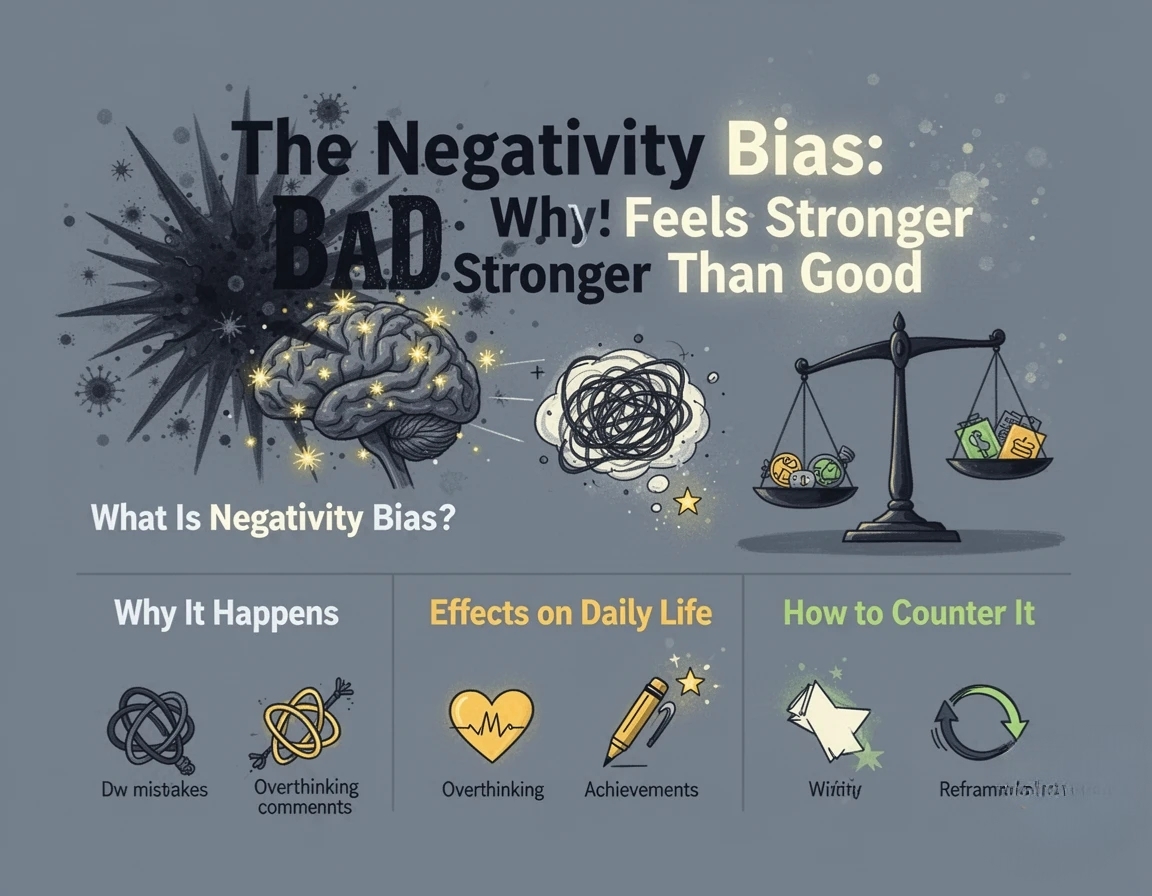
What Is Negativity Bias?
Your brain gives more importance to negative experiences than positive ones.
This is why one criticism hurts more than ten compliments feel good.
Why It Happens
In ancient times, focusing on threats helped humans survive. Today, that same mechanism makes you overly sensitive to negativity.
Effects on Daily Life
You dwell on past mistakes
You overthink negative comments
You underestimate your achievements
How to Counter It
Practice gratitude daily
Write down positive experiences
Reframe negative thoughts consciously
3. The Spotlight Effect: Everyone Is Not Watching You
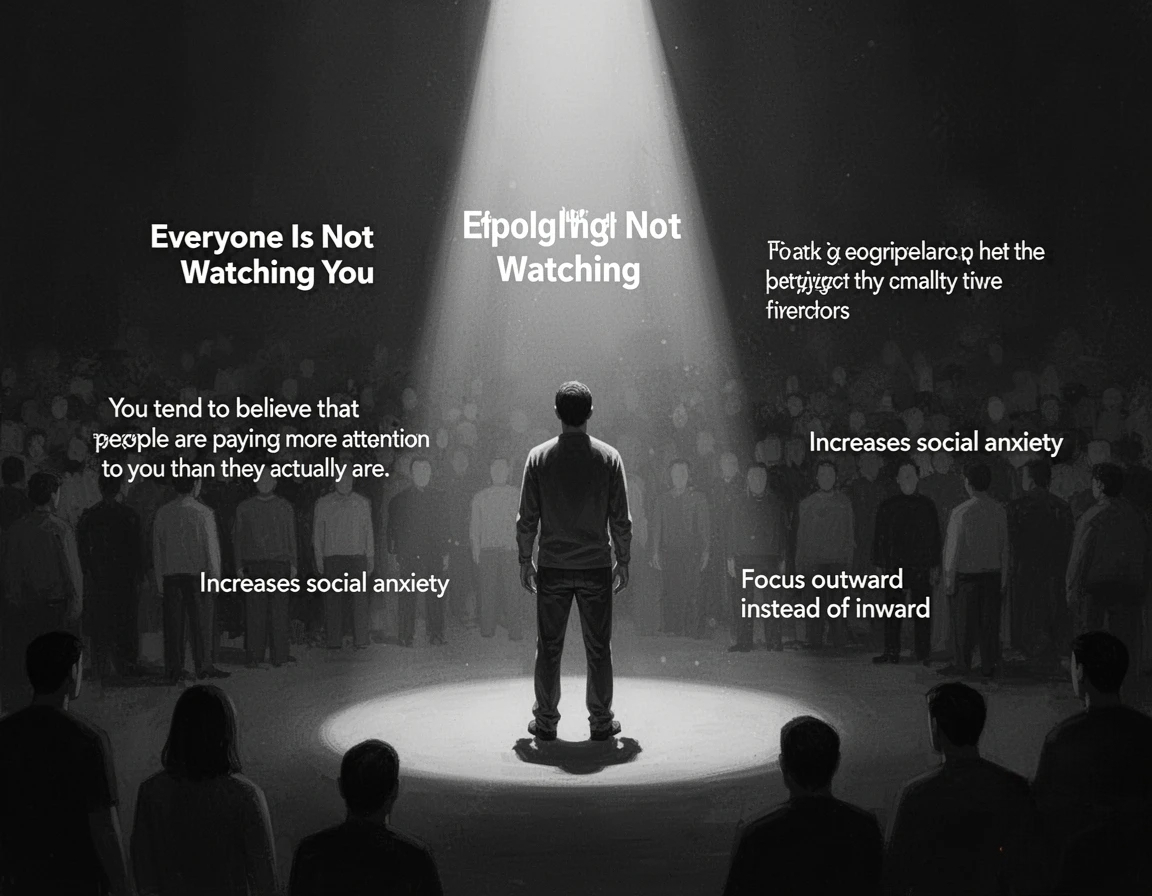
What Is the Spotlight Effect?
You tend to believe that people are paying more attention to you than they actually are.
In reality, most people are too busy thinking about themselves.
Common Situations
Feeling embarrassed over small mistakes
Thinking everyone noticed your outfit flaw
Overanalyzing social interactions
Why It’s Harmful
Increases social anxiety
Stops you from taking risks
Damages confidence
How to Break Free
Remind yourself: “People care less than I think”
Focus outward instead of inward
Accept imperfection
4. The Sunk Cost Fallacy: Holding On Too Long
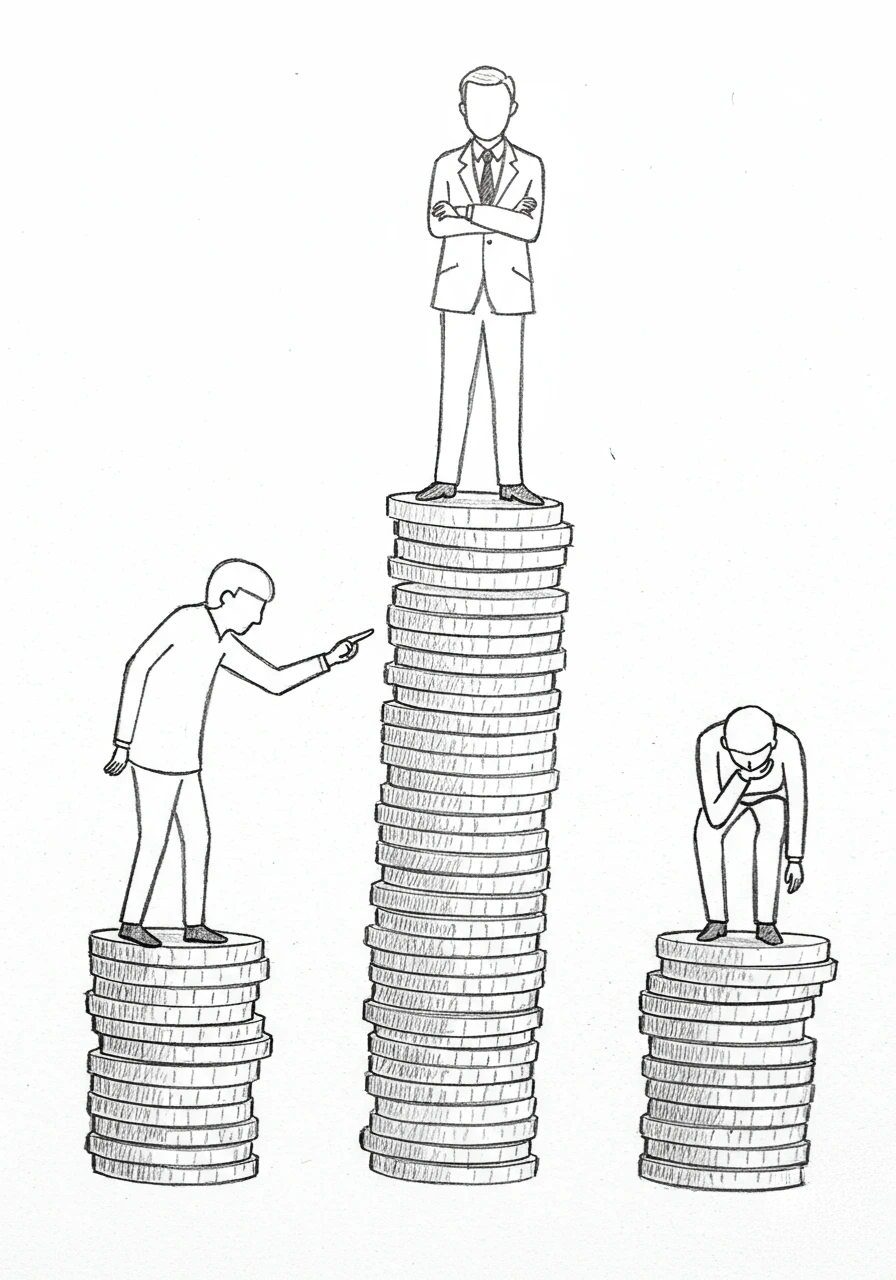
What Is It?
The sunk cost fallacy is the tendency to continue something because you’ve already invested time, money, or effort—even when it’s no longer worth it.
Examples
Staying in a toxic relationship
Continuing a failing business
Watching a boring movie just because you started it
Why Your Brain Does This
Your mind hates the feeling of loss, so it tries to justify past investments.
How to Overcome It
Focus on future value, not past cost
Ask: “Would I start this again today?”
Accept that letting go is not failure
5. The Halo Effect: Judging a Book by Its Cover

What Is the Halo Effect?
Your brain assumes that if someone is good in one area, they must be good in others too.
Examples
Attractive people seen as more intelligent
Confident speakers perceived as more knowledgeable
Popular individuals considered more trustworthy
The Problem
Leads to poor judgment
Causes unfair assumptions
Makes you overlook flaws
How to Avoid It
Evaluate people based on evidence
Separate traits instead of generalizing
Question your first impressions
6. Overconfidence Bias: Thinking You Know More Than You Do
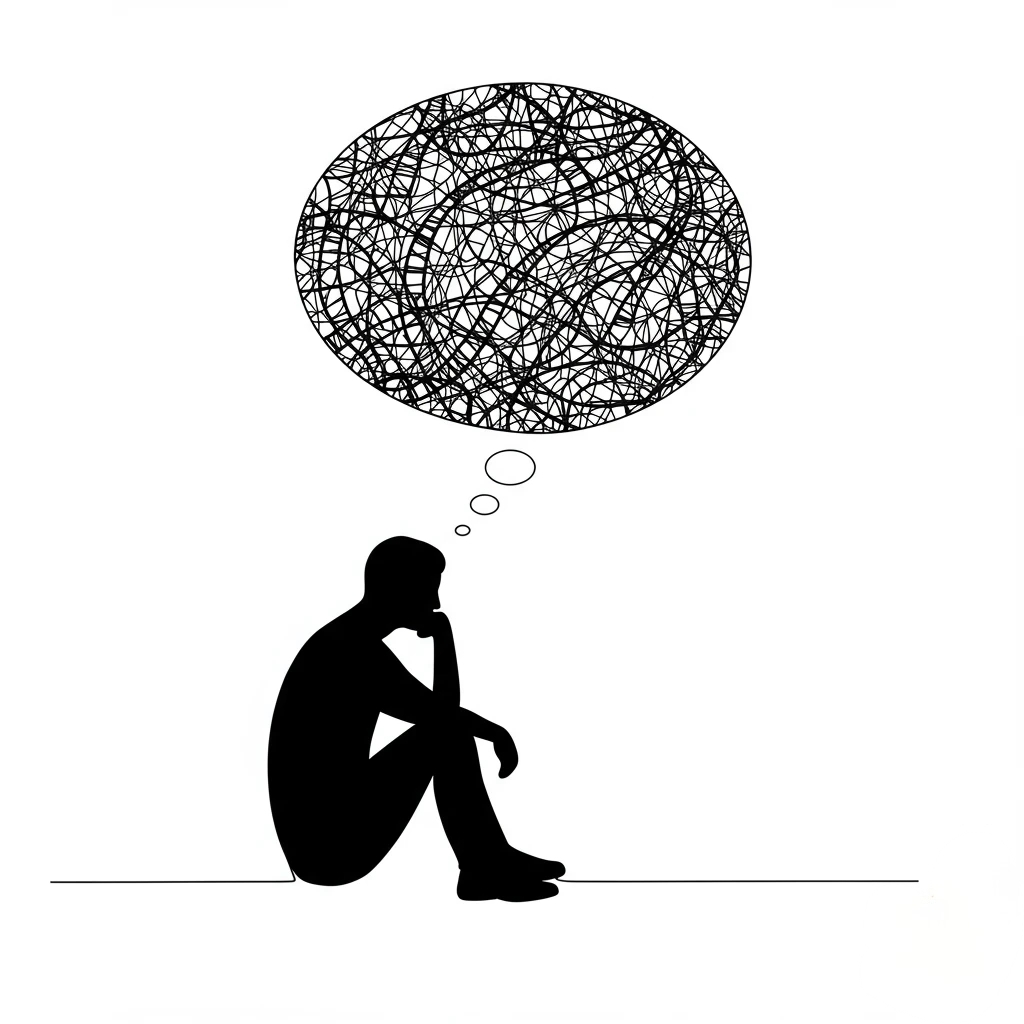
What Is It?
Overconfidence bias makes you believe your knowledge or abilities are better than they actually are.
Signs You Have It
You underestimate risks
You rarely double-check decisions
You assume you’re always right
Consequences
Poor decision-making
Missed learning opportunities
Increased mistakes
How to Fix It
Seek feedback regularly
Test your assumptions
Stay curious and open-minded
7. The Availability Heuristic: What Comes to Mind Feels True

What Is It?
Your brain judges the likelihood of events based on how easily examples come to mind.
Example
After hearing about a plane crash, you might think flying is dangerous—even though it’s statistically safe.
Why It’s Misleading
Media exaggerates rare events
Emotional memories feel more common
You ignore actual data
How to Overcome It
Look at statistics, not just stories
Question your immediate reactions
Ask: “Is this really common?”
8. Social Proof: Following the Crowd Blindly
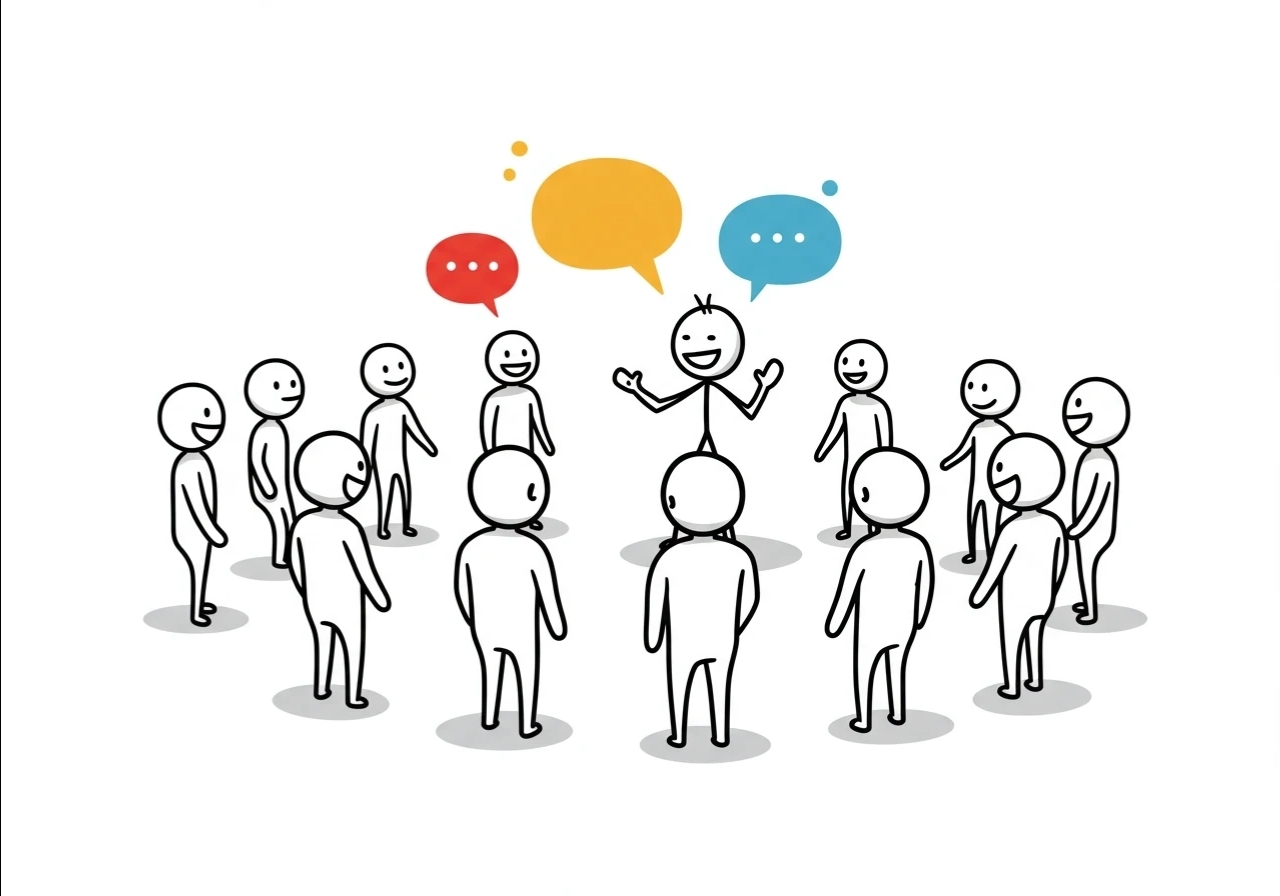
What Is Social Proof?
You tend to follow others’ behavior, assuming they know better.
Everyday Examples
Buying popular products
Following trends
Agreeing with majority opinions
The Risk
Loss of individuality
Poor independent decisions
Falling for misinformation
How to Think Independently
Ask: “Would I do this if no one else did?”
Research before following trends
Trust your own judgment
9. The Framing Effect: How Presentation Changes Decisions
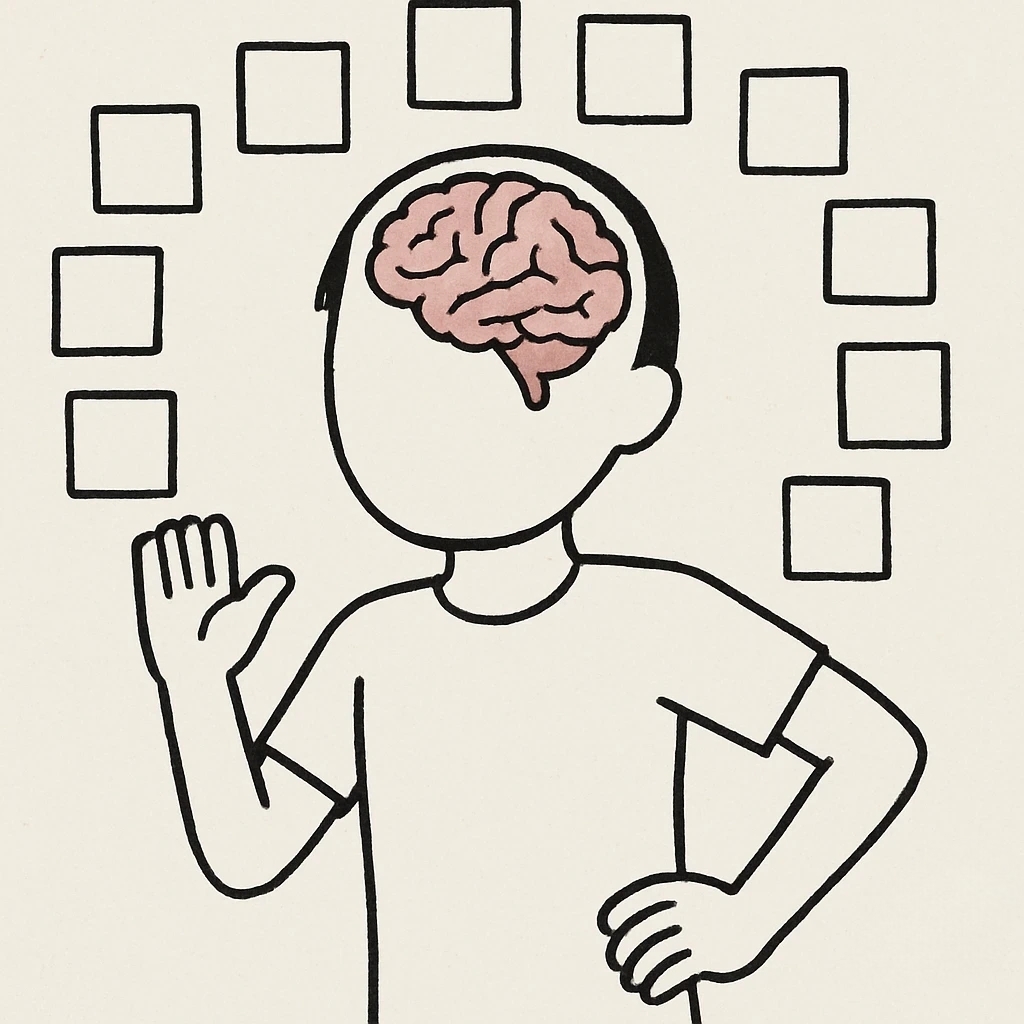
What Is It?
Your decisions are influenced by how information is presented, not just the information itself.
Example
“90% success rate” sounds better than “10% failure rate”
Both mean the same thing, but feel different
Why It Works
Your brain reacts emotionally to wording and context.
How to Outsmart It
Reframe information yourself
Look at both positive and negative sides
Focus on facts, not wording
10. Procrastination Loop: The Brain's Comfort Trap
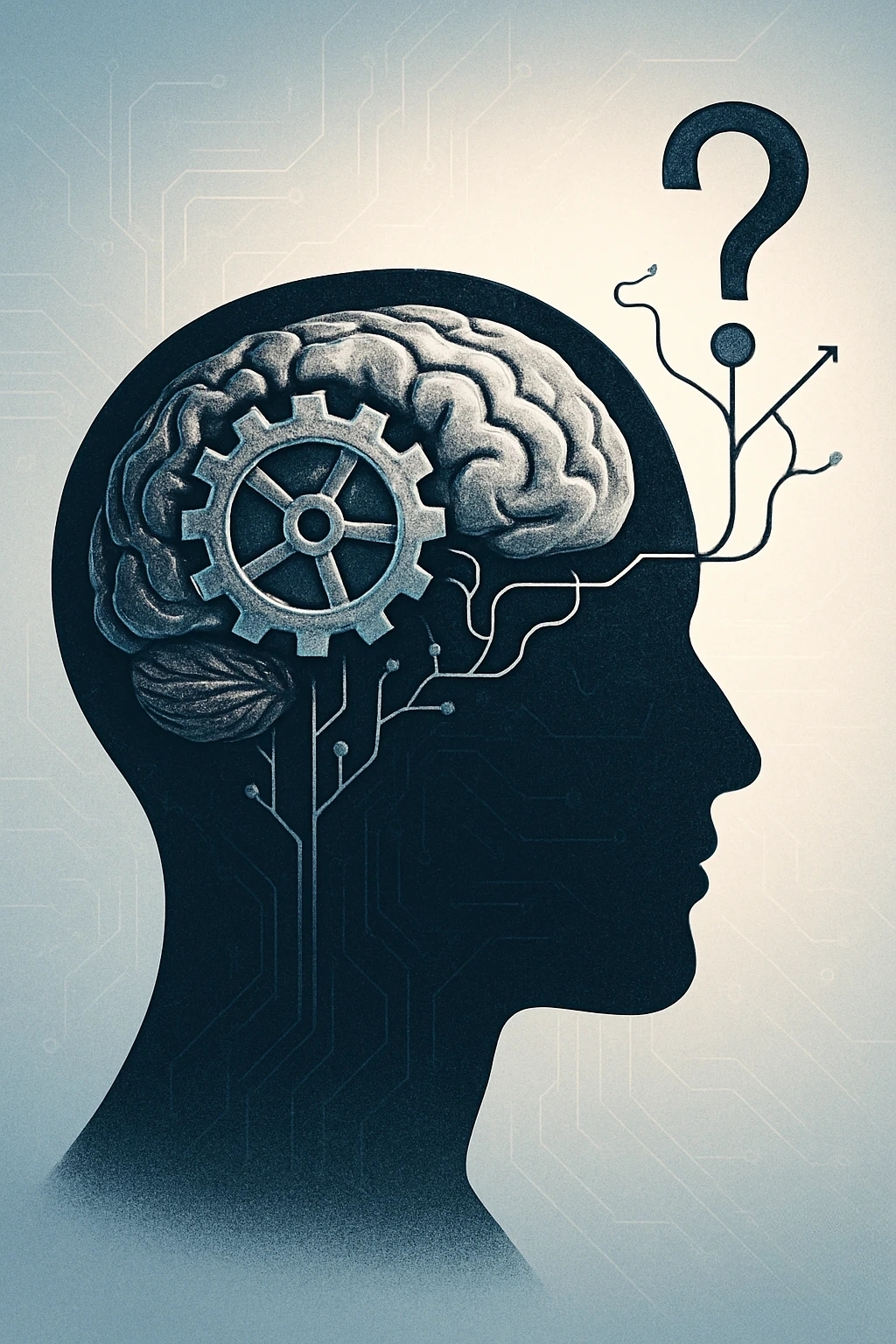
What Is It?
Procrastination isn’t laziness—it’s your brain trying to avoid discomfort.
Why It Happens
Your mind prefers immediate comfort over long-term rewards.
The Cycle
You delay a task
You feel temporary relief
Stress builds up later
You repeat the cycle
How It Hurts You
Missed opportunities
Increased stress
Reduced productivity
How to Break the Loop
Start with small tasks
Use the “5-minute rule”
Focus on progress, not perfection
Why Your Brain Works Against You
Your brain evolved for survival—not happiness, success, or accuracy.
It relies on shortcuts (called cognitive biases) to make quick decisions. While these shortcuts save time and energy, they often lead to errors in modern life.
Key Reasons
Limited mental energy
Need for quick decisions
Emotional influence over logic
How to Take Back Control
Understanding these tricks is powerful—but applying that knowledge is what truly changes your life.
Practical Strategies
1. Build Awareness
Notice your thoughts without reacting immediately
Identify patterns in your decisions
2. Slow Down Thinking
Avoid rushed decisions
Give yourself time to analyze
3. Question Your Mind
Ask: “Is this fact or assumption?”
Challenge automatic thoughts
4. Use Logic Over Emotion
Separate feelings from facts
Base decisions on evidence
5. Keep Learning
The more you understand psychology, the less control these tricks have over you
Key Takeaways
Your brain uses shortcuts that can distort reality
These psychological tricks are automatic but not unbeatable
Awareness is the first step toward control
You can train your mind to think more clearly and effectively
Conclusion
Your brain is both your greatest ally and your biggest obstacle. The same system that helps you survive can also mislead, confuse, and limit you.
The good news? You are not powerless.
By recognizing these 10 psychological tricks your brain uses against you, you can begin to take control of your thoughts, decisions, and ultimately your life.
The next time your mind tries to trick you, pause—and remember:
Just because you think it, doesn’t mean it’s true.

You must be logged in to post a comment.