

> Why the First Five Years Matter More Than We Think
Early Childhood Education: Why the First Five Years Matter More Than We Think
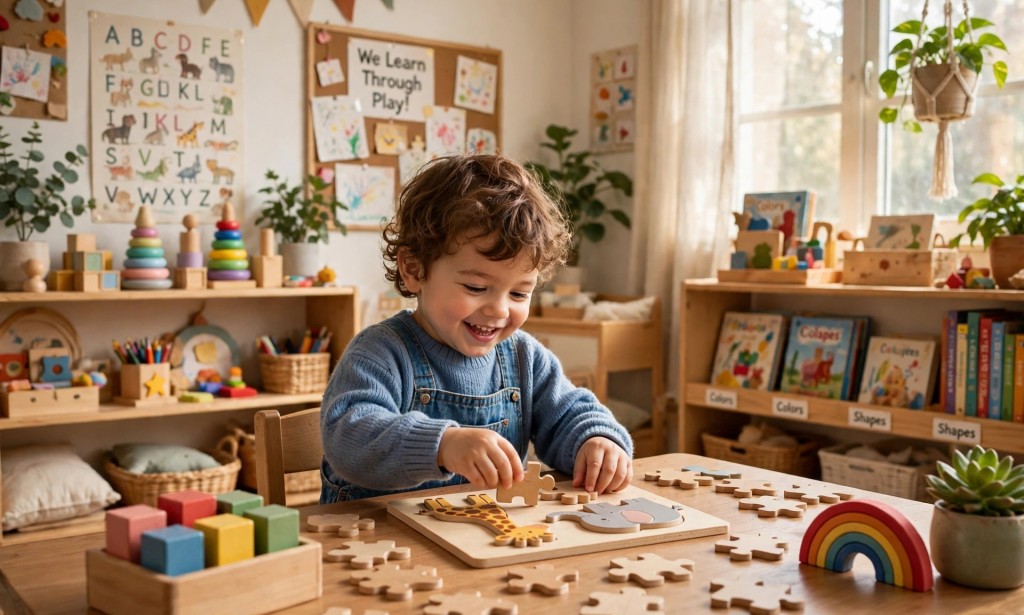
Imagine a three-year-old child trying to put a puzzle together. The pieces do not fit at first. The child tries again, turns one piece around, and finally finds the correct place. It may look like a simple game, but something important is happening. The child is learning patience, problem-solving, observation, and confidence.
This is the beauty of early childhood education. Learning does not always happen through books, classrooms, or formal lessons. Sometimes, it happens through play, questions, stories, colors, and everyday experiences.
The first five years of a child's life are especially important. During this period, children begin to understand the world around them, develop communication skills, build relationships, and explore their abilities. Providing them with a supportive learning environment can make a positive difference in their development.
Let's explore why early childhood education matters and how parents and teachers can make learning meaningful for young children.
1. What Is Early Childhood Education?
Early childhood education refers to the learning and development experiences children receive during their early years, particularly from birth to around age five or six.
It is not only about teaching children letters, numbers, and shapes. It also focuses on their physical, emotional, social, language, and thinking skills.
A good early learning environment allows children to:
- Explore new things.
- Ask questions and express ideas.
-Develop language and communication skills.
- Interact with other children.
-Build confidence and independence.
- Learn through creative activities.
The main purpose is to help children develop naturally while enjoying the learning process.
2. Why Are the First Five Years So Important?
Young children learn quickly because their brains are developing rapidly. Every conversation, activity, experience, and interaction gives them opportunities to learn.
For example, when parents talk to their children during everyday activities, children hear new words and gradually improve their vocabulary.
When a child stacks building blocks, they explore balance, size, shape, and problem-solving.
When children play with others, they begin learning how to share, cooperate, and understand feelings.
These small experiences help build the foundation for future learning.
However, every child develops at their own pace. Parents and teachers should avoid comparing children or expecting every child to achieve the same milestones at exactly the same time.
3. Learning Through Play: The Natural Way Children Learn
One of the most effective ways young children learn is through play.
Children do not always need expensive toys or complicatedness educational equipment. Simple activities can provide wonderful learning opportunities.
Here are some examples:
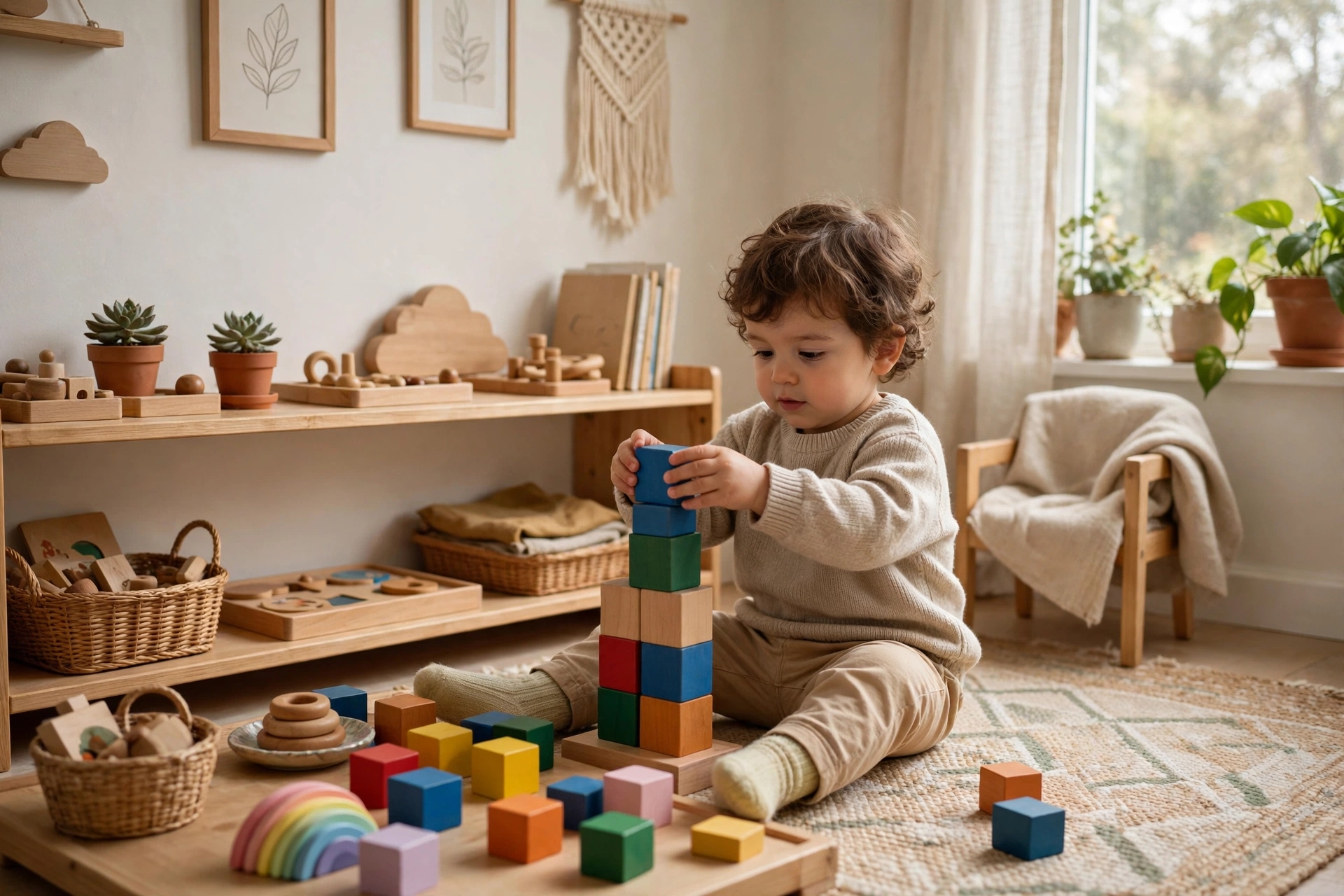
Building Blocks: Children learn shapes, sizes, balance, counting, and creativity.
Colour Sorting:Give children colorful objects and ask them to group items according to color.
Pretend Play: Playing kitchen, school, or shop helps children develop imagination and communication.
Puzzles: Simple puzzles improve observation, concentration, and problem-solving.
Drawing and Coloring: Art activities encourage creativity and help children practice hand movements.
Play should not always have a fixed result. Children also need time to explore freely, make mistakes, and discover things independently.
4. The Role of Parents in Early Childhood Education
Parents are a child's first teachers. A child's home environment provides countless opportunities for learning.
You do not need to be a professional teacher to support your child's education.
Try these simple daily habits:
Talk to Your Child: Ask questions about their day, favourite toys, or interesting things they notice.
Read Stories Together: Picture books introduce new vocabulary and encourage imagination.
Encourage Questions: Instead of immediately giving every answer, help children think and explore.
Involve Children in Daily Tasks: Let them help arrange toys, sort socks, or put safe household objects in baskets.
Appreciate Their Efforts: Encourage children when they try something new, even if the result is not perfect.
Most importantly, spend quality time with your child. A caring and supportive relationship creates a positive environment for learning.
5. Montessori Learning and Independent Thinking
The Montessori approach is a popular educational method that encourages children to learn through exploration, practical activities, and independence.
In a Montessori-inspired environment, children are given opportunities to choose suitable activities and work at their own pace.
Some simple Montessori activities for children aged 3–5 include:
- Matching uppercase and lowercase letters.
- Counting beads or large safe counting objects.
- Sorting objects by color and size.
-Matching pictures with their names.
-Tracing simple lines and shapes.
-Practicing pouring with child-safe containers under adult supervision.
These activities encourage concentration,
coordination, independence, and curiosity.
Parents can create a simple Montessori-inspired learning corner at home with picture cards, puzzles, books, crayons, and age-appropriate learning materials.
6. Developing Language and Communication Skills
Language development is another important part of early childhood education.
Children learn language by listening, speaking, observing, and interacting with people around them.
Parents and teachers can support communication through:
- Daily conversations.
- Storytelling and picture books.
- Nursery rhymes and songs.
- Naming familiar objects.
-Asking simple open-ended questions.
-Encouraging children to describe pictures.
For example, show a picture of a butterfly and ask:
"What colors can you see?"
"Where do you think the butterfly is going?"
These questions encourage children to observe, think, and express their ideas.
Speaking more than one language at home can also be a valuable part of a child's language experience. Parents should communicate naturally in the languages they know best.
7. Social and Emotional Development Matters Too
Academic learning is important, but emotional and social development should never be ignored.
Children need to learn how to recognize feelings, express emotions, build friendships, and manage everyday challenges.
For example, when two children want the same toy, an adult can gently guide them to take turns.
When a child feels upset, parents can acknowledge the feeling instead of immediately telling the child to stop crying.
Helpful phrase includes:
"I understand that you are upset."
"Would you like to try again?"
"Let's find a solution together."
Children gradually develop emotional understanding when adults respond with patience, respect, and kindness.
8. Fun Learning Activities for Children Aged 3–5
Learning at home can be simple, affordable, and enjoyable.
Here are five activities parents can try:
Activity 1: Alphabet Hunt
Choose one letter and ask your child to find objects around the house that begin with that sound.
Activity 2: Number and Object Matching
Place number cards from 1 to 5 on a table. Ask your child to match each number with the correct quantity of safe objects.
Activity 3: Shape Detective
Find circles, squares, and triangles in everyday objects. Ask children to identify their shapes.
Activity 4: Story Picture Time
Show your child three pictures and encourage them to create a small story.
Activity 5: Nature Exploration
Collect safe leaves, observe flowers, and talk about their colors, sizes, and textures.
Always supervise young children during activities, especially when using small objects, scissors, or materials that could cause choking.
9. How Can Teachers Create a Better Learning Environment?
Early childhood teachers play an important role in making learning enjoyable and meaningful.
A child-friendly classroom should be welcoming, safe, organized, and full of opportunities to explore.
Teachers can:
-Use colorful visual learning materials.
-Include songs, stories, and movement activities.
-Provide opportunities for group play.
- Encourage creativity through art.
-Give children enough time to complete activities.
-Respect individual learning differences.
Instead of focusing only on correct answers, teachers should appreciate children's curiosity, effort, and participation.
A positive classroom environment helps children feel comfortable, confident, and excited to learn.
10. Common Mistakes to Avoid in Early Childhood Learning
Sometimes adults unintentionally create pressure while trying to prepare children for school.
Here are some common mistakes to avoid:
Too Much Academic Pressure: Young children need play, movement, rest, and exploration, not endless worksheets.
Comparing Children: Every child has different interests, abilities, and developmental patterns.
Ignoring Creativity: Drawing, music, storytelling, and imaginative play are valuable learning experiences.
Too Much Screen Time: Digital devices should not replace real conversations, outdoor activities, and hands-on play.
Expecting Perfection: Mistakes are a natural part of learning. Give children opportunities to try again.
A balanced approach helps children enjoy learning without unnecessary stress.
Conclusion:
Small Moments Create Big Learning Opportunities
Early childhood education is much more than preparing children for school. It is about helping them become curious, confident, creative, and emotionally secure learners.
A simple conversation, a bedtime story, a coloring activity, or a walk in the garden can become a meaningful learning experience.
Parents and teachers do not need to create perfect classrooms or buy expensive educational materials. What children need most is a safe environment, loving guidance, meaningful interaction, and opportunities to explore.
Remember, children do not need to learn everything in one day. They need time, encouragement, and the freedom to discover the world around them.
Because every small step in childhood can become a beautiful step towards life long learning.








Comments 0
Sign in to join the conversation.
No comments yet. Be the first to say something.