
When Will Ordinary People Travel to Space? The Surprising Truth
Introduction
For centuries, humans have looked up at the night sky and wondered what it would be like to travel among the stars. Space exploration was once limited to highly trained astronauts, massive government budgets, and dangerous missions. But today, the conversation is changing rapidly. Private companies, advanced technology, and growing public interest are pushing humanity closer to a future where ordinary people may travel to space.
Just a few decades ago, the idea of a regular person buying a ticket to space sounded like science fiction. However, with companies developing reusable rockets and commercial space tourism programs, the possibility is becoming increasingly real. Billionaires have already experienced brief journeys beyond Earth’s atmosphere, and companies are preparing to expand these opportunities to the public.
But the big question remains: When will ordinary people truly be able to travel to space? Is it something we will see within the next few years, or is it still decades away? The surprising truth lies somewhere between optimism and reality.
This article explores the current state of space tourism, the companies leading the race, the challenges that remain, and when the average person might realistically experience space travel.
The History of Human Space Travel
Before discussing the future, it is important to understand how space travel began and why it has historically been limited to a small group of people.
The Early Days of Space Exploration
The modern space era began with the launch of by the in 1957. This historic moment marked the start of the between global powers.
Only a few years later, became the first human to orbit Earth in 1961.
The United States soon followed with the historic , when walked on the lunar surface.
These missions were groundbreaking but incredibly expensive and dangerous. Governments controlled space programs, and astronauts were elite professionals with years of training.
Why Space Travel Was Never for Ordinary People
For most of history, space travel remained inaccessible due to several reasons:
Extreme costs — Missions cost billions of dollars.
Technological limitations — Rockets were not reusable.
High risk — Early missions had significant failure rates.
Intense training requirements — Astronauts required years of preparation.
As a result, fewer than 700 humans have ever traveled to space since the beginning of the space age.
The Rise of Commercial Spaceflight
The biggest change in modern space exploration is the involvement of private companies.
In the past, only national agencies like controlled space missions. Today, commercial companies are competing to make space travel more affordable and accessible.
Companies Leading the Space Tourism Race
Several companies are developing spacecraft designed for civilian passengers.
1.
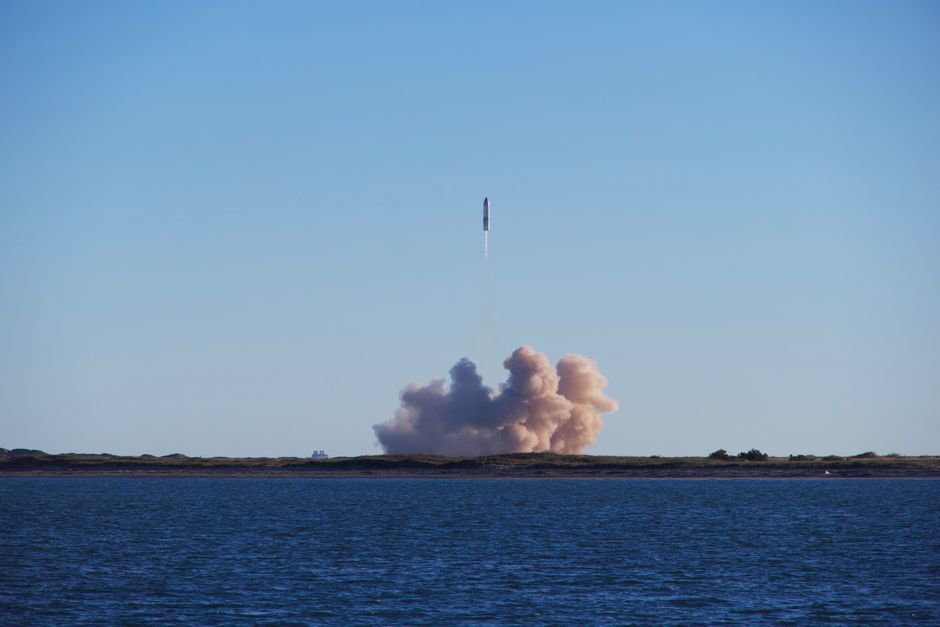
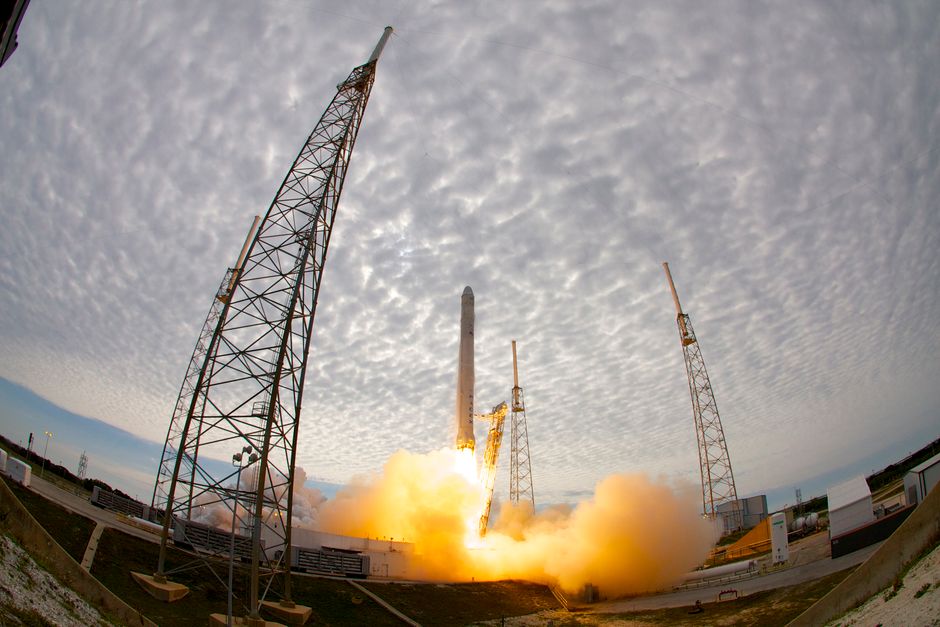
Founded by , SpaceX has revolutionized spaceflight with reusable rockets.
Major achievements include:
Development of the
Creation of the
Launching private astronaut missions
SpaceX aims to dramatically reduce the cost of space travel and eventually send humans to .
2.
Founded by , Blue Origin focuses on suborbital tourism flights.
Its spacecraft has already taken private passengers briefly into space.
Passengers experience:
A few minutes of weightlessness
Stunning views of Earth
A quick trip beyond the
3.
Founded by , Virgin Galactic focuses on commercial passenger flights using a spaceplane.
Its spacecraft is designed to carry tourists to the edge of space.
Passengers experience:
Short flights above Earth
Several minutes of weightlessness
Incredible views of the planet
The First Space Tourists
While space tourism is still rare, a few civilians have already experienced it.
Early Space Tourists
One of the first private individuals to visit space was , who traveled to the in 2001.
His journey cost about $20 million.
Since then, several wealthy individuals have followed similar paths.
Billionaire Space Flights
In recent years, famous entrepreneurs themselves have traveled to space.
Examples include:
flying on New Shepard
testing his company’s spacecraft
Private missions launched by
However, these flights remain extremely expensive.
The Cost of Space Travel Today
One of the biggest barriers preventing ordinary people from traveling to space is price.
Current Ticket Prices
Estimated costs today:
Virgin Galactic: around $450,000 per seat
Blue Origin: auctioned seats have exceeded $20 million
SpaceX orbital missions: tens of millions of dollars
Clearly, this is far beyond the budget of most people.
Why Space Travel Is So Expensive
Several factors contribute to high costs:
Rocket development
Fuel and launch operations
Safety systems
Training programs
Spacecraft manufacturing
Even with reusable rockets, launching humans into space remains technically complex.
The Technology That Could Make Space Travel Affordable
Despite the high costs today, technological breakthroughs could drastically reduce prices.
Reusable Rockets
Traditional rockets were discarded after a single launch.
But the pioneered the ability to land and reuse rocket boosters.
Benefits include:
Lower manufacturing costs
Faster launch turnaround
Reduced mission expenses
Fully Reusable Spacecraft
The upcoming aims to take reusability even further.
If successful, it could:
Carry 100 passengers
Launch frequently
Reduce ticket prices dramatically
Some experts believe costs could drop to tens of thousands of dollars, similar to early airline tickets.
The Role of Space Hotels
Another major development is the concept of space hotels.
Several companies are planning orbiting stations designed for tourists.
Future Space Stations
Private stations may replace or supplement the .
These stations could include:
Luxury sleeping pods
Large viewing windows
Zero-gravity entertainment
Research laboratories
Some concepts even include space restaurants and sports arenas.
Training Requirements for Space Tourists
Even when tourism becomes more common, travelers will still require training.
Basic Spaceflight Preparation
Tourists must learn:
Safety procedures
Emergency protocols
Weightlessness adaptation
G-force tolerance
Training programs could last several days or weeks.
However, companies aim to make training far simpler than traditional astronaut preparation.
Health Risks of Space Travel
Space tourism also involves potential risks.
Physical Effects of Spaceflight
Travelers may experience:
Motion sickness
Temporary disorientation
Bone density loss
Muscle weakening
Radiation exposure
Short tourist flights reduce many of these risks, but longer missions still require careful medical screening.
When Will Space Travel Become Normal?
Experts have different predictions about when everyday people might realistically travel to space.
The 2030s: Early Public Access
By the 2030s, space tourism may expand significantly.
Possible developments include:
Frequent suborbital flights
Lower ticket prices
Multiple tourism companies
Wealthy individuals and enthusiasts may travel more regularly.
The 2040s: The Airline Phase
Some analysts believe the 2040s could bring a major transformation.
Space travel may begin to resemble early aviation:
More companies competing
Larger passenger spacecraft
Regular launches
Ticket prices could drop below $100,000.
The 2050s: Mass Space Tourism
If technology advances rapidly, the 2050s could see true public access.
Possible scenario:
Space hotels operating in orbit
Thousands of tourists annually
Prices comparable to luxury travel
At this stage, middle-class travelers might begin visiting space.
The Biggest Challenges That Remain
Despite progress, several major obstacles still exist.
Safety
Human spaceflight remains risky.
Even modern rockets must maintain extremely high safety standards.
Infrastructure
Space tourism requires:
Spaceports
Training centers
Orbital stations
Reliable launch schedules
This infrastructure is still developing.
Environmental Concerns
Rocket launches release emissions into the atmosphere.
Scientists are studying how increased launch activity could impact the environment.
The Psychological Experience of Seeing Earth from Space
Many astronauts describe viewing Earth from space as life-changing.
This phenomenon is known as the .
People often report:
A deeper appreciation for Earth
Stronger environmental awareness
A sense of global unity
If space tourism expands, millions of people could experience this powerful perspective.
Could Space Travel Become Cheaper Than Air Travel?
It may sound unbelievable, but some futurists believe space travel could eventually rival airline prices.
Advances that could enable this include:
Rapid rocket reusability
High launch frequency
Large passenger capacity
Automated flight systems
While this scenario may take decades, history shows that transportation technology often becomes cheaper over time.
The Future: From Space Tourism to Space Colonies
Space tourism could be just the beginning.
Long-term goals include:
Permanent lunar bases
Human settlements on
Industrial facilities in orbit
Asteroid mining
Tourism could help fund these larger ambitions.
Final Thoughts: The Surprising Truth About Space Travel
So, when will ordinary people travel to space?
The surprising truth is that the process has already begun, but widespread access will take time.
Key takeaways:
Space tourism is already technically possible.
Current costs limit travel to the extremely wealthy.
Reusable rockets are rapidly lowering prices.
The next two decades could see major expansion.
Most experts believe the 2030s and 2040s will be the turning point when space travel begins transitioning from a billionaire adventure to a broader public experience.
Just as air travel transformed from a luxury into a common form of transportation, space travel may follow a similar path.
For the first time in human history, the dream of ordinary people leaving Earth and experiencing space is no longer science fiction—it is an emerging reality.
And one day, looking up at the stars may not just inspire curiosity.
It may inspire your next vacation destination.





Comments 0
Sign in to join the conversation.
No comments yet. Be the first to say something.