


Electricity bills have a way of creeping up without any single obvious cause. The increase is usually a combination of habits that cost a little each and add up to a lot. The changes below are ordered by impact, and most of them cost nothing.
The biggest single consumer in most homes is air conditioning, and that is where most of the saving is available.
Where the Power Goes
In a typical home, cooling and heating account for roughly half the bill. Water heating, appliances, and lighting split the rest. This means that changes to how you cool your home matter far more than turning off lights.
The second point is that standby power — devices left plugged in but not in use — accounts for five to ten percent of most bills. It is small per device and large in aggregate.
The Top 10 Ways
1. Set the AC to 26 Degrees
Every degree below twenty-six adds five to eight percent to cooling cost. At twenty-six, most people are comfortable with a fan. At eighteen, the bill is roughly double.
This single change is the largest saving available to most households.
2. Use Fans With the AC
A ceiling fan moves air and makes twenty-six degrees feel like twenty-four. Fans use a fraction of the power of air conditioning.
Use both together and you can raise the AC setting further.
3. Switch to LED Bulbs
LEDs use roughly a tenth of the power of incandescent bulbs and last ten times longer. The upfront cost is recovered within months.
Replace the most-used bulbs first: living room, kitchen, bedroom.
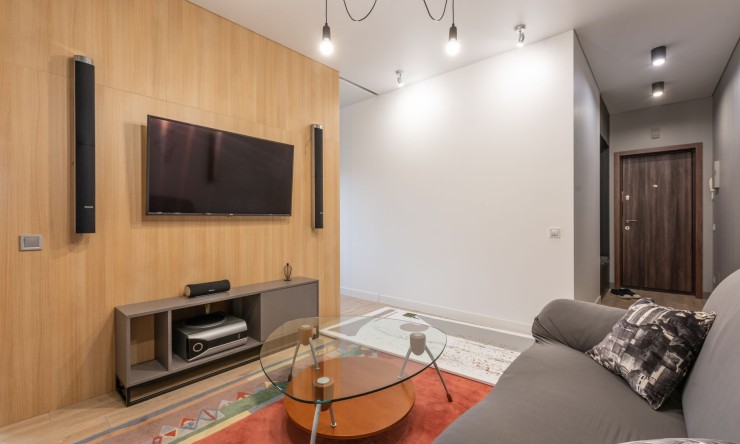
4. Unplug Standby Devices
Televisions, chargers, microwaves, and computers draw power when off. A power strip with a switch makes this effortless.
Five to ten percent of the bill, saved by flipping a switch.
5. Service the AC Unit
A dirty filter or low refrigerant makes the unit work harder for the same cooling. Annual servicing keeps efficiency high and extends the life of the unit.
A serviced unit can use twenty percent less power than a neglected one.
6. Use Natural Light During the Day
Open curtains and turn off artificial lights. It sounds obvious and most people leave lights on in bright rooms out of habit.
Light sensors or timers help if you forget.
7. Wash Clothes in Cold Water
Heating water for laundry uses significant power. Cold water cleans most loads perfectly well and extends the life of clothes.
Reserve hot water for heavily soiled items.
8. Air-Dry Laundry
A dryer is one of the highest-consuming appliances in the home. Air-drying costs nothing and is gentler on clothes.
In humid climates, a fan near the drying rack speeds it up.
9. Seal Gaps and Insulate
Gaps around doors and windows let cooled air escape. Weather stripping is cheap and the saving is immediate.
Insulation in the roof is the bigger investment but pays back over years.
10. Set Water Heater to 60 Degrees
Most water heaters are set higher than necessary. Sixty degrees is hot enough for comfort and safe for most uses.
Every degree above sixty adds to the bill and increases scalding risk.
How to Find the Biggest Waste
Read your meter at the same time daily for a week. The daily usage shows your baseline and any unusual spikes. A spike without a change in routine means something is running that should not be.
Also check your bill for the tariff structure. Some utilities charge more during peak hours, and shifting heavy use to off-peak times can reduce the bill significantly.
The Long-Term View
Solar panels are the biggest long-term saving, but the upfront cost is high. In sunny climates with high electricity rates, the payback period is often five to seven years. After that, the power is free.
If solar is not an option, the changes above produce a thirty percent saving for almost no investment. That is the realistic target for most households.
Appliances That Drain Power
Old refrigerators are the worst offenders. A fifteen-year-old fridge can use three times the power of a modern one. If yours is old, replacing it may be the single best investment on this list.
Water heaters are the second. An uninsulated tank loses heat constantly. A simple insulation blanket reduces this significantly.
And old air conditioners. Units older than ten years are dramatically less efficient than modern ones. If your unit is old and failing, replacement pays back faster than repair.
Check the energy rating before buying any appliance. The difference between the best and worst rated models is often thirty percent or more over the appliance's lifetime.
Teaching the Household
Electricity habits are household habits, and one person cannot change them alone. The most effective approach is to make the saving visible. Show the bill before and after a month of changes, and let the number argue.
Give children responsibility. A child who is in charge of turning off lights in one room will do it more reliably than an adult who is asked to do it in the whole house.
And agree on the temperature setting as a household. A compromise of twenty-six with a fan is better than a battle between eighteen and twenty-eight.
Smart Meters and Monitoring
A smart meter shows you real-time usage, which is the fastest way to find waste. If your usage spikes at a particular time, you can identify the cause by checking what is running then.
Even without a smart meter, a simple plug-in power monitor costs little and shows you exactly what each appliance uses. Most people are surprised by which devices are the real consumers.
Monitoring changes behaviour. Households that can see their usage reduce it by ten to fifteen percent without any other intervention, simply because the information makes waste visible.
If your utility offers a time-of-use tariff, check whether shifting heavy use to off-peak hours would reduce your bill. The saving can be significant for households with flexible schedules.
The Bottom Line
Set the AC to 26, switch to LED, and unplug standby devices. Those three changes alone can cut a typical bill by a quarter.






Comments 0
Sign in to join the conversation.
No comments yet. Be the first to say something.