

Pakistani cooking is not one cuisine. It is several, shaped by region, climate, and the people who moved through it. The north eats differently from the south, and the food of Karachi has little in common with the food of Lahore beyond a shared love of spice.
What follows is a map of ten dishes that represent that range, with what makes each distinctive and where to find the best version.
How Pakistani Food Works
The foundation is the tarka: oil heated with whole spices until they crackle, then poured over a dish to finish it. That technique appears across the country and is what gives Pakistani food its characteristic depth.
The second principle is time. Most of the great dishes are slow. Biryani is not fast, nihari is not fast, and haleem is definitely not fast. The cooking is the recipe.
The Top 10 Dishes
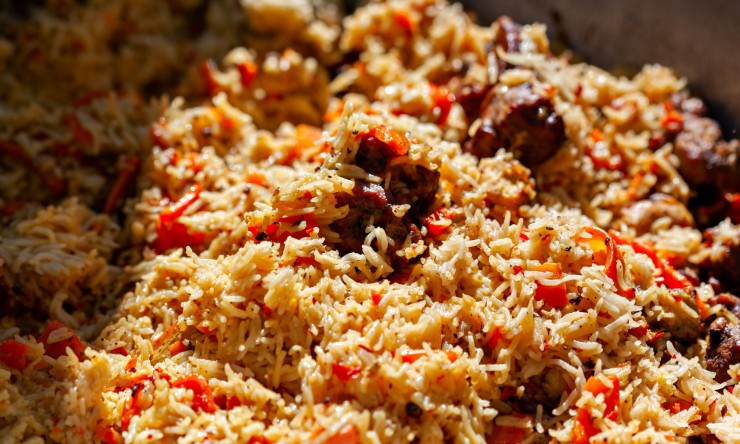
1. Biryani
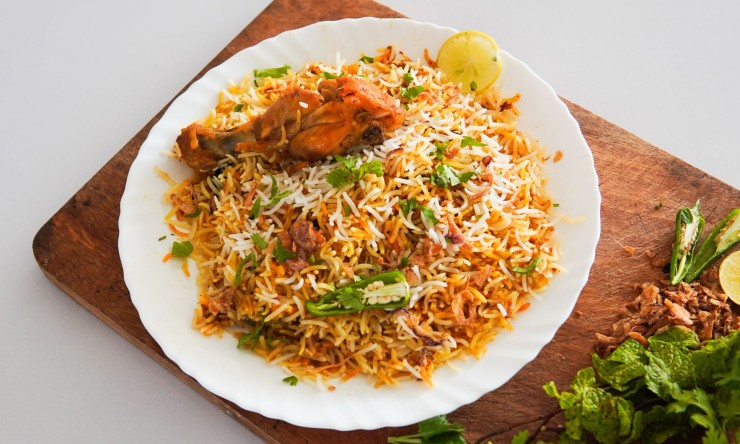
Rice and meat cooked together with spices, saffron, and fried onions. Every city has its own version, and the argument about which is best is the most reliable conversation starter in the country.
Karachi biryani is spicier and more tomato-forward. Lahore biryani is richer and more aromatic. Both are correct.
2. Nihari
A slow-cooked beef or lamb stew, simmered overnight, served at breakfast with naan. The marrow in the bones dissolves into the gravy, which is what gives it its body.
Rawalpindi and Lahore are the cities most associated with it. Eat it where the locals eat it, early.
3. Haleem
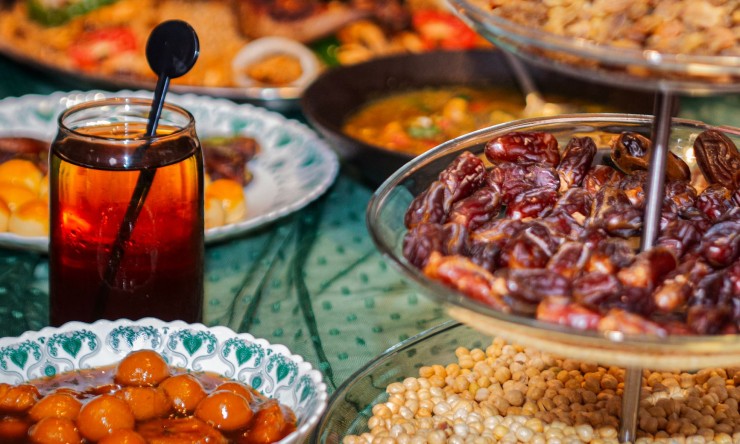
Wheat, lentils, and meat cooked together until they become one texture. It is eaten during Ramadan in particular, and the best versions are cooked for twelve hours or more.
The texture should be smooth, not grainy. Grainy haleem was rushed.
4. Karahi
Meat cooked in a wok-like pan with tomatoes, ginger, and green chilli, finished with coriander. It is the dish most often cooked at home and the one most often ordered out.
The wok matters. A karahi cooked in a flat pan is a different dish.
5. Chapli Kebab
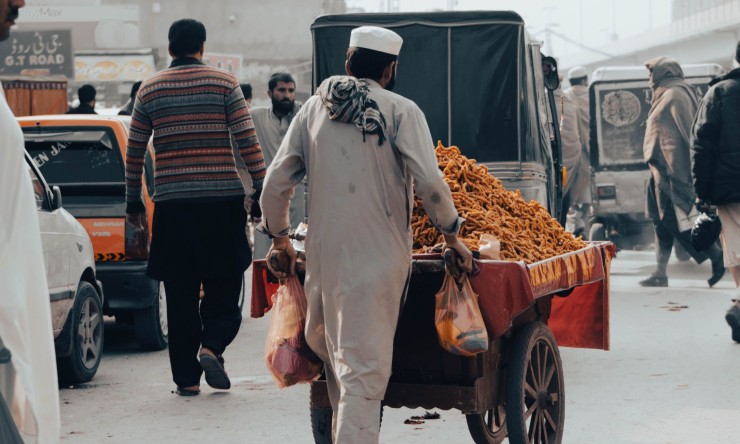
A flat, spiced beef patty from the northwest, fried in animal fat. It is eaten with naan and chutney, and it is one of the great street foods of the region.
Peshawar is the origin and still the best place to eat it.
6. Sajji
A whole lamb or chicken stuffed with rice and roasted over an open fire. The meat is not heavily spiced; the flavour comes from the smoke and the fat.
Quetta is where it is done properly. Elsewhere it is an imitation.
7. Sindhi Biryani
A distinct variant with potatoes, dried plums, and a sourness that sets it apart from the northern versions. It is less famous than Karachi biryani and, to many, better.
The potatoes are not optional. They are the point.
8. Paya
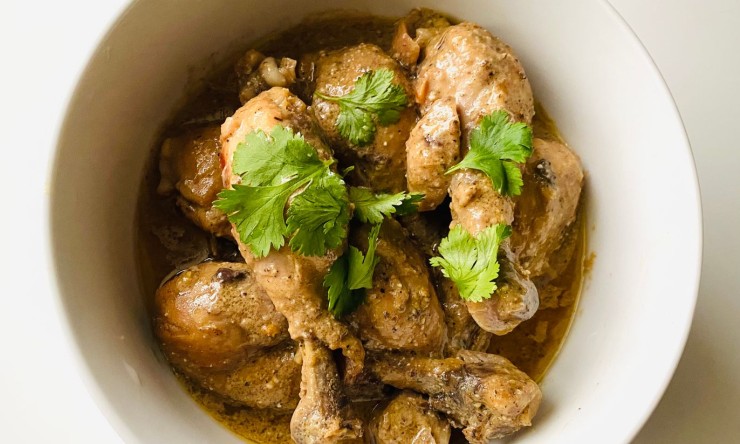
Trotters slow-cooked until the gelatin dissolves into a rich, sticky gravy. It is eaten at breakfast with naan and is one of the most warming foods in the country.
It is an acquired taste and a devoted following.
9. Saag with Makki Roti
Mustard greens cooked with spices, served with corn flatbread and butter. This is the food of the Punjab in winter, and it is one of the great seasonal dishes anywhere.
The roti must be eaten fresh off the griddle. It does not keep.
10. Falooda
A cold dessert drink of vermicelli, basil seeds, rose syrup, and ice cream. It is the thing to order after a heavy meal in summer.
It is not subtle and it is not meant to be.
How to Eat Well in Pakistan
Eat where the locals eat, at the time they eat. Nihari is a breakfast food; ordering it at dinner marks you as a tourist and gets you a reheated version.
Ask for recommendations rather than menus. The best dishes in most restaurants are not on the menu, and the staff know what is good that day.
And eat with your hands where appropriate. Rice-based dishes are meant to be mixed and eaten with the fingers, and the texture is part of the experience.
What to Avoid
Restaurants that serve every cuisine on one menu. They do none of them well. A place that does one or two dishes and has been doing them for decades is almost always better.
Also avoid the tourist versions of famous dishes. A biryani made for a foreign palate is a different, lesser thing. Eat the real version and accept that it might be spicy.
The Regional Map
Punjab is the heartland of heavy, slow-cooked meat dishes and wheat-based breads. The food is rich and the portions are large. Lahore is the city most associated with this style, and its food streets are a genuine cultural experience.
Sindh is rice-centric and more sour and spicy. Karachi's biryani and the coastal seafood are the highlights, and the food reflects the city's position as a port with influences from across the region.
Khyber Pakhtunkhwa is about meat cooked simply over fire. The kebabs and roasted whole animals are the signature, and the spice is lighter than in the south.
And Balochistan has its own traditions, including sajji and a range of dried meat preparations that are rarely found outside the province.
Food as Culture
In Pakistan, food is not just sustenance. It is how relationships are built and maintained. A meal offered to a guest is an act of respect, and refusing it is a serious social misstep. The phrase \"khana khaya?\" — have you eaten? — is how people greet each other, and it is not really about food.
This is why the best food in the country is often found in homes rather than restaurants. A home-cooked nihari or a family biryani is made with a level of care that commercial cooking rarely matches.
If you are invited to someone's home, accept. The food will be the best you eat in the country, and the hospitality will be the most memorable part of the trip.
The Bottom Line
Pakistani food is regional, slow, and generous. Eat where the locals eat, at the time they eat, and accept every invitation.




Comments 0
Sign in to join the conversation.
No comments yet. Be the first to say something.