

1. Introduction: The Importance of Education
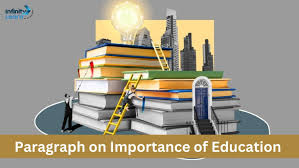
Education is a fundamental right and a critical driver of individual empowerment and societal progress. It equips individuals with knowledge, skills, and values, enabling them to contribute meaningfully to their communities and achieve their personal aspirations.
A robust education system fosters economic growth, reduces poverty, and promotes social harmony. It lays the foundation for innovation, sustainability, and resilience, ensuring that societies can meet the challenges of a rapidly changing world.
2. The Role of Education in Personal Development
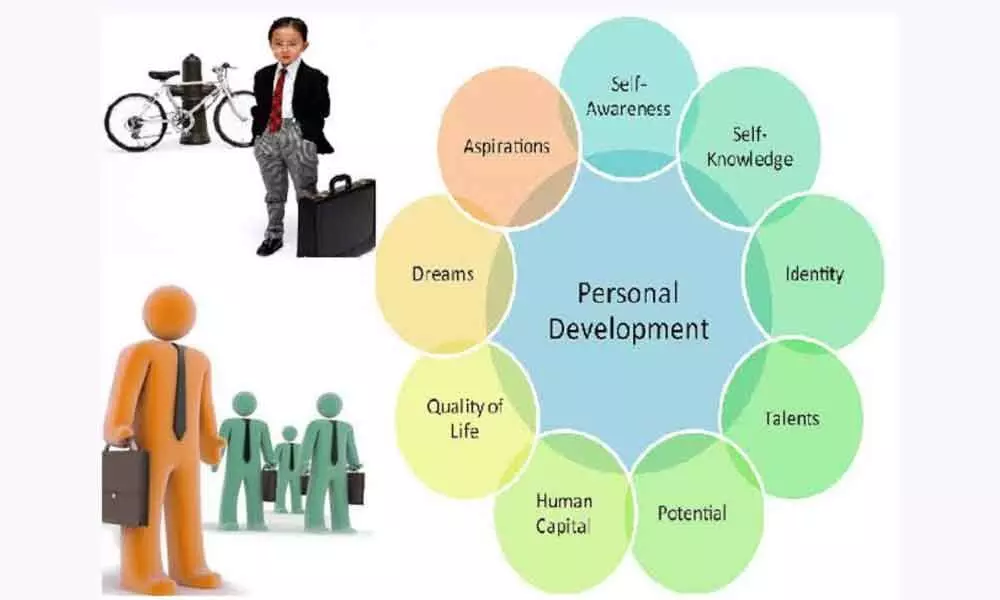
Education transforms lives by enhancing cognitive abilities, emotional intelligence, and social skills. Its benefits include:
- Career Advancement: Providing skills for professional success.
- Critical Thinking: Encouraging analytical and problem-solving capabilities.
- Civic Engagement: Cultivating informed, active participation in societal issues.
- Personal Fulfillment: Fostering creativity, curiosity, and lifelong learning.
By opening doors to opportunities, education enables individuals to achieve their full potential.
3. Global Challenges in Education
Despite its importance, education faces numerous challenges, including:
- Access Disparities: Limited availability in rural and underprivileged areas.
- Quality of Education: Inadequate teacher training and outdated curricula.
- Gender Inequality: Barriers preventing equal opportunities for girls and women.
- Financial Constraints: Insufficient funding for infrastructure and resources.
Addressing these challenges requires collaborative efforts from governments, organizations, and communities.

4. The Impact of Technology on Modern Education
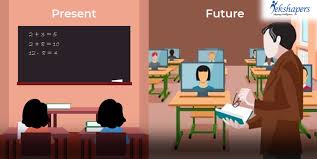
Technology has revolutionized education, introducing new methods for teaching and learning. Innovations include:
- E-Learning Platforms: Online courses making education accessible worldwide.
- Interactive Tools: Gamified learning experiences that enhance engagement.
- Artificial Intelligence: Personalized learning tailored to individual needs.
- Virtual Reality: Immersive experiences for practical learning.
These advancements break traditional barriers, democratizing education and promoting inclusivity.
5. Inclusive Education: Bridging Gaps and Promoting Equity
Inclusive education ensures that every individual, regardless of their background or abilities, has access to quality learning opportunities. Key strategies include:
- Universal Design for Learning (UDL): Adapting teaching methods for diverse learners.
- Support Systems: Providing resources for students with special needs.
- Community Engagement: Encouraging involvement from parents and local stakeholders.
- Policy Reforms: Implementing laws to address discrimination and inequality.
An inclusive approach builds cohesive societies and unlocks human potential on a broader scale.Education is a cornerstone of personal and societal development, offering the tools needed to achieve success and foster progress. This article explores the evolving landscape of education, its challenges, and its role in building a sustainable future.

6. Lifelong Learning: Adapting to a Changing World
The concept of lifelong learning emphasizes the importance of continuous education to remain relevant in an ever-changing world. Its key components include:
- Professional Development: Keeping pace with industry advancements.
- Personal Growth: Exploring new hobbies and interests.
- Adaptability: Acquiring skills to transition between careers or roles.
- Community Learning: Participating in local educational initiatives.
This mindset prepares individuals to thrive amid technological and societal shifts.
7. The Future of Education: Trends and Innovations
The future of education will be shaped by emerging trends, such as:
- Global Collaboration: Cross-border educational programs fostering cultural exchange.
- Sustainability Education: Teaching environmental awareness and responsibility.
- Hybrid Models: Combining online and in-person learning for flexibility.
- Skill-Based Learning: Emphasizing practical knowledge over rote memorization.
Embracing these trends will create resilient systems that meet the demands of future generations.







Comments 0
Sign in to join the conversation.
No comments yet. Be the first to say something.