

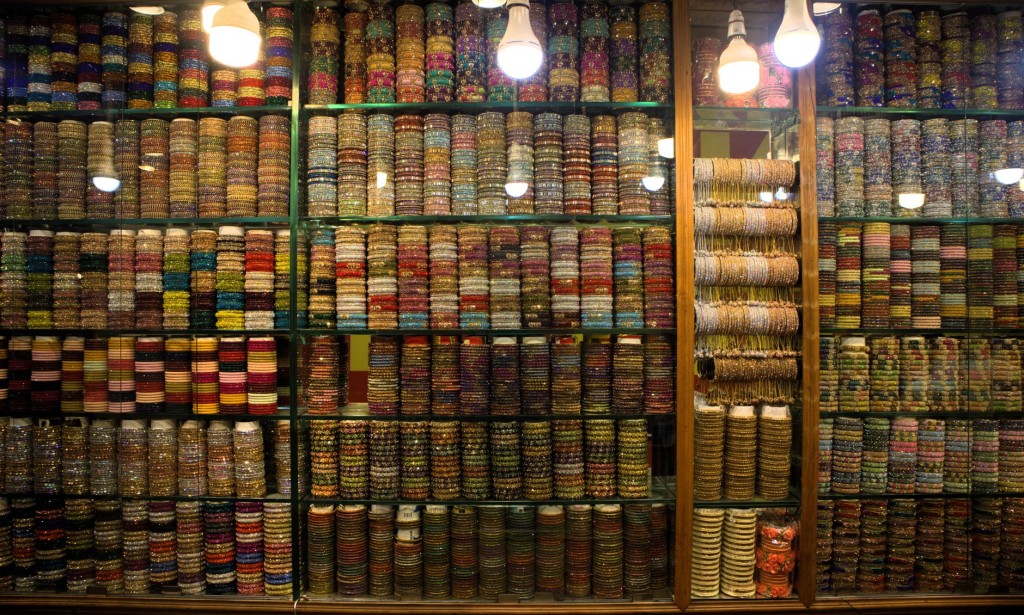
Bangles have held a unique place in human culture for centuries, serving as both a symbol of tradition and a statement of style. These simple yet stunning accessories have evolved over time, transcending regional boundaries, and have become an essential part of the global fashion landscape. Whether worn as a cultural emblem, an expression of femininity, or a fashionable statement, bangles have undoubtedly stood the test of time.
The Origins of Bangles: A Journey Through Time
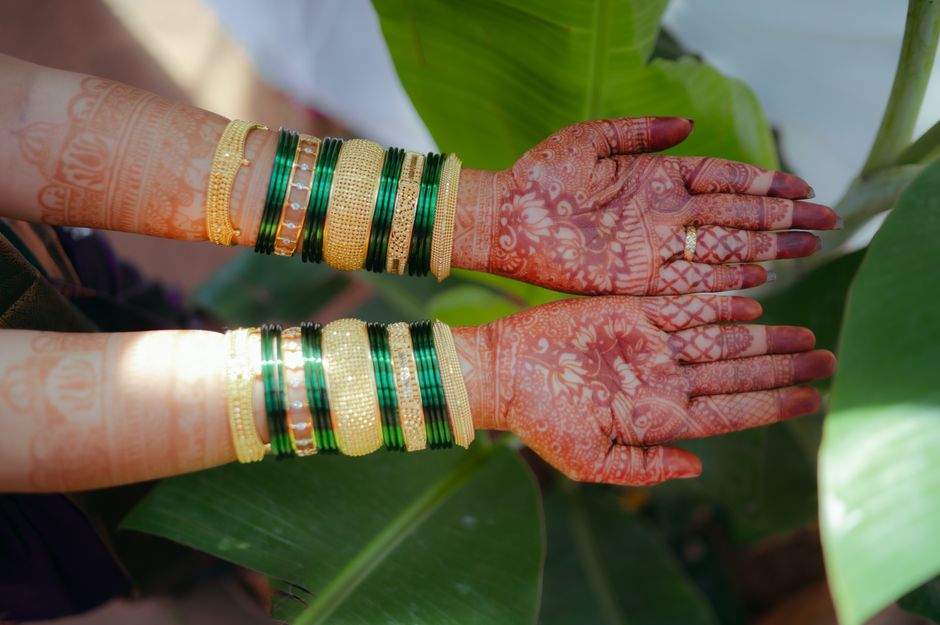
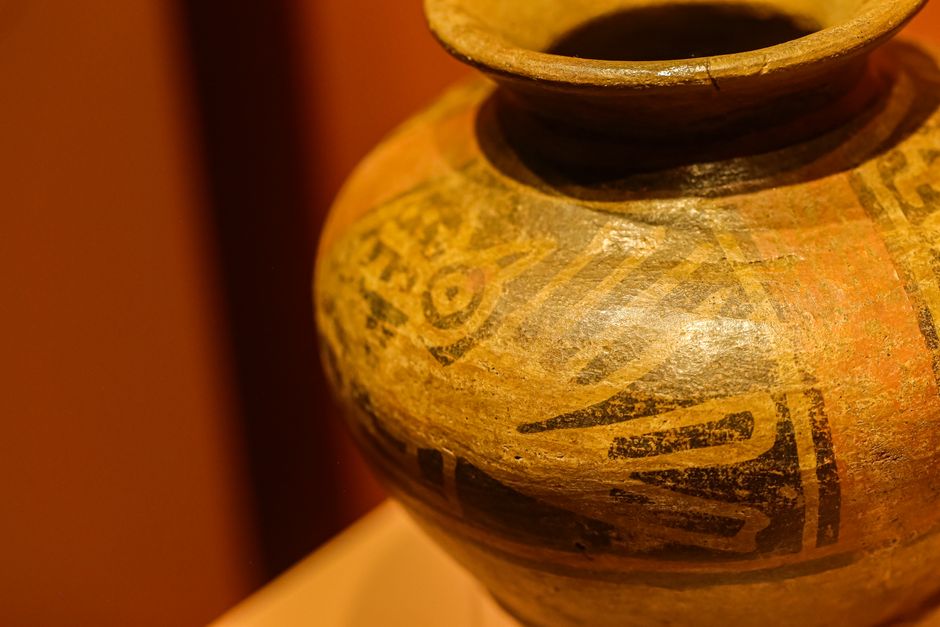
The history of bangles dates back to ancient civilizations. The word "bangle" itself is believed to have originated from the Hindi word bangri, meaning a small glass bracelet. Archaeological findings suggest that bangles have been worn by people since the Indus Valley Civilization, around 2000 BCE. The earliest bangles were made from materials like terracotta, shell, and ivory, and they were worn by both men and women as a symbol of wealth and status.
In ancient Egypt, bangles were often made from gold, silver, or precious stones and were worn by both men and women as part of their elaborate jewelry sets. The Egyptians believed in the protective power of jewelry, and bangles were seen as a way to ward off evil spirits. Similarly, in ancient India, bangles were made from various materials, including glass, brass, and silver, and were often worn as a symbol of marital status. In many cultures, wearing bangles also denoted prosperity and femininity.
Cultural Significance of Bangles
In many parts of the world, bangles carry deep cultural significance, especially in countries like India, Pakistan, and Bangladesh. For instance, in India, bangles hold a special place in the lives of women, especially when it comes to weddings. The tradition of wearing bangles during marriage is centuries old and is considered a symbol of a woman's well-being, prosperity, and fertility. The chooda, a set of red and white bangles, is an important part of the bridal attire in Punjabi weddings and is often worn for several weeks after the ceremony.
In Hindu culture, there is also a belief that wearing bangles during specific festivals or religious occasions brings good luck and blessings. For instance, the festival of Karva Chauth, when married women fast for the well-being of their husbands, is often marked by the wearing of colorful bangles. The act of gifting bangles during festivals or celebrations is also seen as a way of honoring and reinforcing bonds within families and communities.
Bangles are not just restricted to women. In some South Asian cultures, men also wear bangles, particularly in traditional ceremonies or as part of their daily attire. The practice of wearing bangles can be found among various ethnic groups worldwide, from the traditional glass bangles worn by women in the Middle East to the heavy metal bangles sported by women in Africa.

Bangles as a Fashion Statement
While bangles have deep cultural and symbolic meanings, they have also evolved as a prominent fashion accessory in the modern world. Today, bangles are seen as versatile and trendy pieces of jewelry that can complement any outfit, from casual to formal.
Fashion designers and brands have embraced bangles, creating a wide range of styles, from chunky and bold bangles to delicate and minimalist designs. Materials have expanded from traditional glass, metal, and wood to include plastics, ceramics, and even resin. Bangles can now be found in a multitude of finishes, including matte, glossy, and textured, allowing individuals to express their personal style and taste.
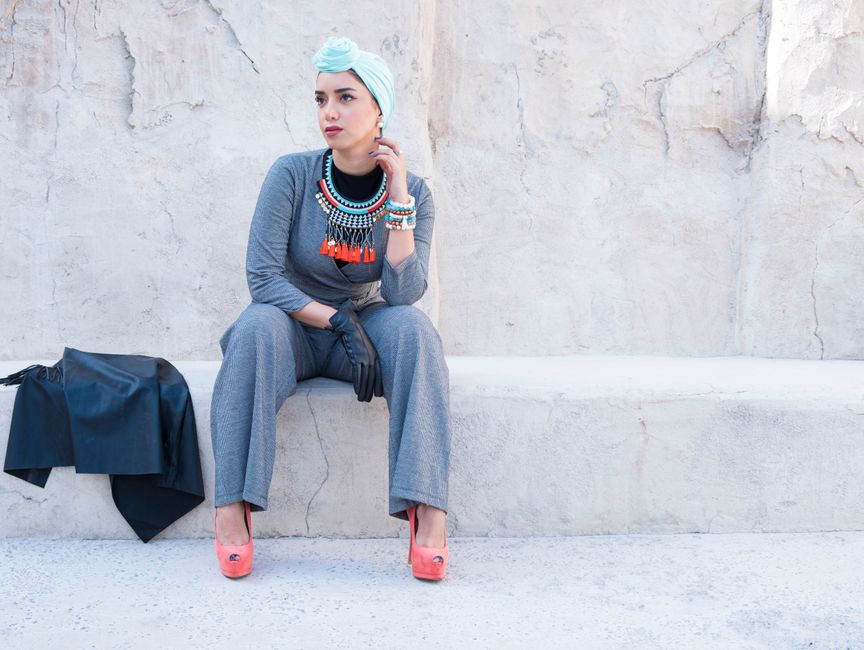
One of the most significant trends in contemporary fashion is the mixing of bangles with other types of jewelry, such as rings, necklaces, and bracelets, to create an eclectic and layered look. The combination of bangles with western attire is particularly popular in urban fashion, where individuals mix traditional accessories with modern clothing for a fusion look. For example, wearing a stack of gold bangles with a simple t-shirt or pairing brightly colored bangles with a casual summer dress has become a stylish and global trend.
Moreover, celebrities and influencers around the world have contributed to the growing popularity of bangles by incorporating them into their everyday wardrobes, further cementing their status as both a cultural and fashion icon. Designers such as Sabyasachi Mukherjee and Manish Malhotra have featured intricately designed bangles in their bridal collections, blending tradition with modern aesthetics.

The Craftsmanship Behind Bangles
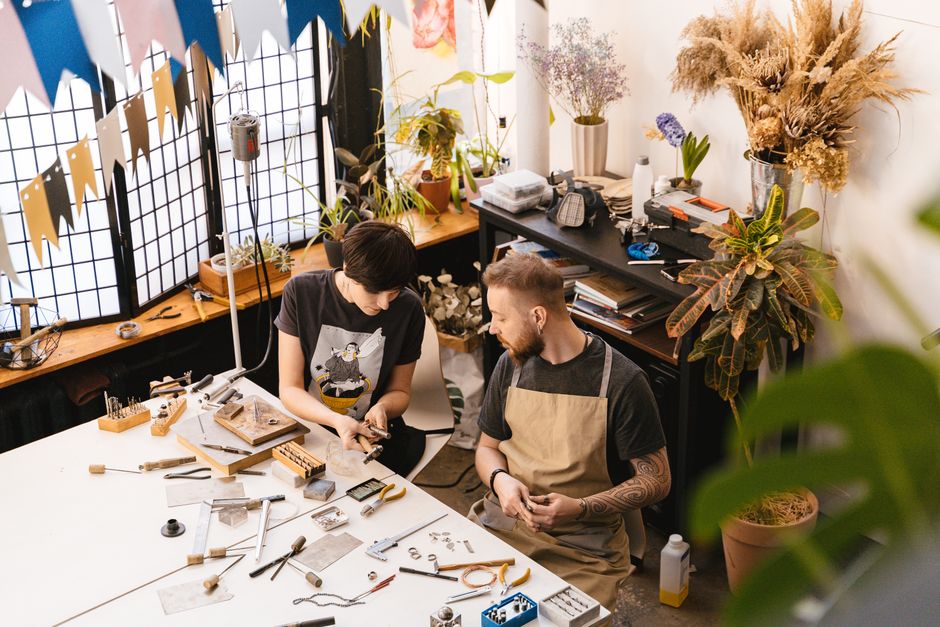
Behind every bangle lies a rich tradition of craftsmanship that has been passed down through generations. The art of bangle-making, especially in regions like India, is a deeply skilled and intricate process that requires years of training. Artisans use various techniques, including handcrafting, molding, and beadwork, to create stunning bangles that showcase cultural heritage and creativity.
For instance, glass bangles, which are a hallmark of Indian culture, are made using a traditional technique called lampworking, where colored glass rods are melted and shaped to form the desired bangle. In some parts of India, bangles are intricately painted with motifs of nature, gods, and mythological stories, reflecting the country’s rich artistic traditions. Additionally, bangles made from metal, such as gold or silver, require the expertise of skilled jewelers who can mold and design these pieces with precision.
While mass production of bangles has made them more accessible to a global audience, many artisans still work tirelessly to create handcrafted bangles that reflect cultural uniqueness. These handmade bangles are often more expensive due to the time and effort involved but are valued for their authenticity and quality. Supporting local artisans ensures that the traditions of bangle-making continue to thrive and are appreciated in the modern world.
The Modern Bangle: A Fusion of Tradition and Innovation
The bangle has undoubtedly undergone a significant transformation over the years, yet it remains firmly rooted in tradition. While its cultural significance has remained largely unchanged, its appearance and versatility have evolved to suit contemporary fashion sensibilities.
For instance, many fashion-forward designs have introduced stacked bangles—multiple bangles worn together in different styles and materials, offering a dynamic and stylish look. Stacking bangles has become a popular way to mix colors, textures, and designs, and this trend has become synonymous with personalized style. The rise of eco-friendly and sustainable fashion has also influenced bangle designs, with materials like bamboo, recycled metals, and natural stones making their way into contemporary collections.
Additionally, designers are increasingly experimenting with the fusion of bangle designs from various cultures, creating hybrid styles that merge influences from the Middle East, Africa, South Asia, and Western fashion. This blending of styles has made the bangle a truly global accessory, appealing to a diverse audience and adding to its timeless charm.
Conclusion
Bangles are more than just jewelry; they are cultural symbols, fashion statements, and pieces of art that connect us to our history, heritage, and identity. Whether worn to mark a special occasion, to express individual style, or to celebrate tradition, bangles continue to captivate people across the world. From the delicate glass bangles of South Asia to the bold metal bangles worn in Africa, their allure remains undiminished by time.
As fashion continues to evolve and cultural exchanges grow, the bangle’s ability to blend tradition with innovation ensures that it will remain a cherished and timeless accessory, loved by generations to come. Whether you wear them for their cultural significance or simply for their beauty, the charm of bangles is truly everlasting.





Comments 0
Sign in to join the conversation.
No comments yet. Be the first to say something.