

 Article
The Importance of Education in Building a Better Future
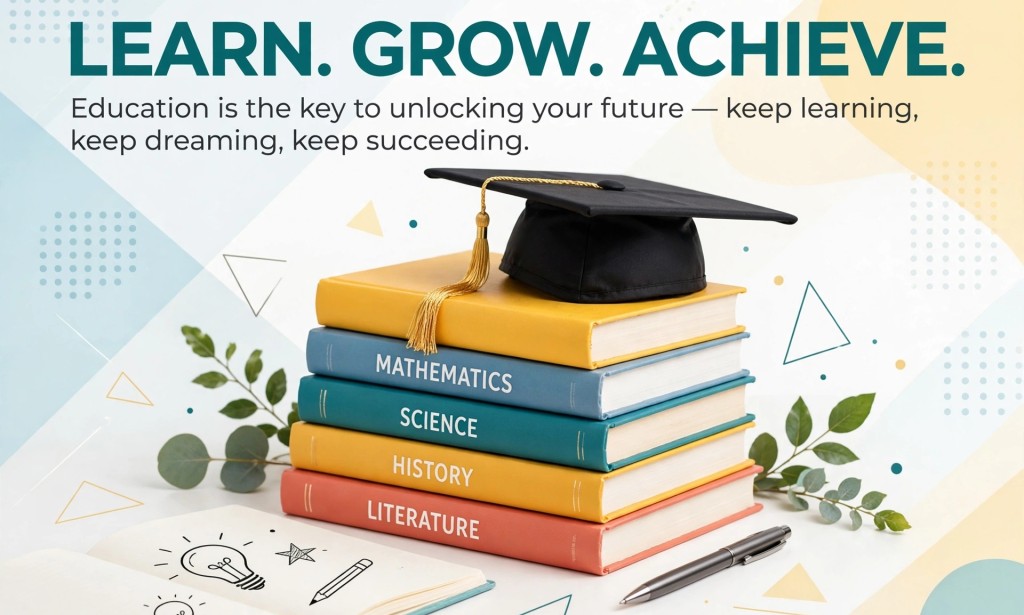
Education is one of the most powerful tools for changing lives and building a better future. It gives people the knowledge, skills, and confidence they need to achieve their goals. Education is not only about reading books, passing examinations, or earning degrees. It is also about learning how to think, solve problems, communicate with others, and make responsible decisions. A good education helps individuals understand the world around them and become useful members of society.
In today's rapidly changing world, education has become more important than ever. New technologies, scientific discoveries, and changing job opportunities require people to continue learning throughout their lives. Whether someone wants to become a teacher, doctor, engineer, writer, or business owner, education can provide a strong foundation for success.
Why Is Education Important?
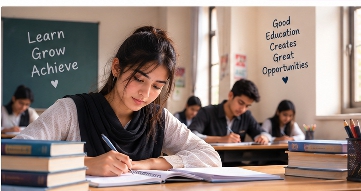
Education plays a significant role in personal development and social progress. It helps people distinguish between right and wrong, understand different perspectives, and develop confidence in their abilities. Educated individuals are generally better prepared to face challenges and make informed choices about their lives.
Education also helps people discover their interests and talents. Some students are good at science, while others are interested in literature, technology, art, or sports. Schools and colleges provide opportunities for students to explore these interests and develop their abilities.
Furthermore, education teaches discipline, patience, teamwork, and responsibility. These qualities are important not only for academic success but also for maintaining healthy relationships and contributing positively to society.
Education Creates Better Career Opportunities
One of the major benefits of education is that it opens doors to different career opportunities. Many professions require specific qualifications, training, and practical skills. Education helps individuals prepare for these requirements and increases their chances of finding suitable employment.
For example, students who study education can prepare for teaching careers, while those who study medicine can work towards becoming healthcare professionals. Similarly, students interested in information technology can learn programming, computer systems, and other technical skills.
However, education does not guarantee a successful career automatically. Hard work, practical experience, communication skills, and determination are also important. Students should focus on understanding their subjects rather than simply memorising information for examinations.
In addition, learning new skills can help people adapt to changing workplace requirements. Online courses, workshops, books, and professional training can provide further opportunities for personal and professional growth.
The Role of Education in Reducing Poverty
Education can help reduce poverty by giving people access to knowledge, skills, and better employment opportunities. When individuals receive quality education, they may become better equipped to find jobs, start businesses, and improve their living conditions.
Education also helps people understand financial matters, health information, and their legal rights. These skills can support better decision-making and help families plan for the future.
For developing countries such as Pakistan, investing in education is especially important. Access to quality schools, trained teachers, learning materials, and affordable higher education can help young people develop their potential.
Nevertheless, education must be supported by employment opportunities and a fair economic system. Providing education alongside practical training and career guidance can help students turn their knowledge into meaningful opportunities.
The Importance of Education for Girls
Girls' education is essential for creating a fair, healthy, and progressive society. Every girl deserves the opportunity to learn, develop her abilities, and pursue her ambitions.
Educated girls can gain the knowledge and confidence needed to make informed decisions about their futures. They can pursue careers, contribute to household income, participate in community development, and support the education of future generations.
Unfortunately, some girls still face barriers such as poverty, a lack of nearby schools, limited educational resources, and social restrictions. These challenges can prevent them from completing their education.
Governments, communities, parents, and educational institutions should work together to make education accessible to every girl. Safe schools, qualified teachers, scholarships, and family support can make a meaningful difference.
When girls receive equal educational opportunities, the benefits extend beyond individuals and contribute to the development of entire communities.
How Technology Is Changing Education
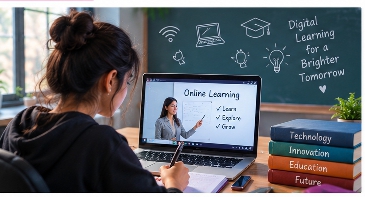
Technology has transformed the way students learn and teachers deliver lessons. In the past, students often depended mainly on textbooks and classroom lectures. Today, digital resources can provide access to educational videos, online libraries, virtual classrooms, and interactive learning activities.
Students can use educational websites to explore difficult concepts, practise language skills, and review lessons at their own pace. Technology can also connect learners with teachers and educational resources from different parts of the world.
For students who cannot easily access a physical library, digital learning materials can be particularly helpful. Online education may also offer flexibility to people who need to balance their studies with other responsibilities.
However, technology has certain limitations. Not every student has access to a reliable internet connection, a suitable device, or a quiet place to study. Excessive screen time and distractions can also affect learning.
Therefore, technology should support traditional teaching rather than replace every aspect of it. Teachers continue to play an important role in explaining concepts, encouraging students, providing feedback, and developing critical thinking.
The Role of Teachers in Education
Teachers are among the most important contributors to a student's educational journey. They do more than explain lessons or assign homework. Good teachers encourage curiosity, build confidence, and help students recognise their strengths.
A supportive teacher can make a difficult subject easier to understand by explaining it in simple language and providing relevant examples. Teachers can also identify learning difficulties and guide students towards better study methods.
Moreover, teachers help students develop important social skills, including cooperation, respect, communication, and responsibility. Their guidance can influence students' attitudes towards learning and their future ambitions.
For this reason, teachers should receive proper training, suitable learning resources, and opportunities for professional development. Educational institutions should also maintain a supportive environment where teachers can focus on helping students learn.
At the same time, students have responsibilities of their own. They should attend classes regularly, ask questions when they do not understand something, complete their work honestly, and respect their teachers and classmates.
Challenges Faced by Students Today
Although education offers many benefits, students face several challenges that can affect their academic progress.
One common challenge is financial difficulty. Some families cannot easily afford school fees, books, transport, internet access, or other educational expenses. These difficulties can make it harder for students to continue their studies.
Another challenge is the lack of educational facilities in some areas. Schools may have insufficient classrooms, limited libraries, or too few qualified teachers. Such conditions can affect the quality of education students receive.
Students may also experience stress because of examinations, family expectations, and uncertainty about their future careers. Too much pressure can make learning difficult and reduce motivation.
These problems can be addressed through affordable education, scholarships, better school facilities, supportive teachers, and effective career counselling. Parents should encourage children to learn consistently rather than judge their abilities only by examination marks.
Students can also help themselves by creating realistic study schedules, taking breaks, asking for assistance, and focusing on gradual improvement.
How Students Can Improve Their Learning
Students do not need to study for extremely long hours every day to become successful learners. Instead, they should develop consistent habits that make learning easier and more effective.
First, students should set clear and realistic goals. Dividing a large topic into smaller sections can make it less difficult to understand.
Second, they should revise their lessons regularly. Reviewing information over several days can help students remember it better than relying entirely on last-minute preparation.
Third, students should practise what they learn. Solving questions, writing summaries, explaining concepts in their own words, and discussing topics with classmates can improve understanding.
Another useful habit is to ask questions. If a concept seems confusing, students should seek clarification from teachers, classmates, textbooks, or reliable educational resources.
Finally, students should maintain a healthy balance between studying, sleeping, physical activity, and spending time with family. Rest is an important part of maintaining concentration and supporting effective learning.
Success in education is not always about being the fastest learner in the classroom. It is about developing knowledge, learning from mistakes, and continuing to make progress.
The Future of Education
The future of education will likely involve a combination of classroom teaching, digital resources, practical training, and lifelong learning. As societies change, educational systems must prepare students for challenges that may not yet exist.
Critical thinking, creativity, communication, teamwork, and digital literacy are becoming increasingly valuable. Students need opportunities to apply their knowledge to real-world situations instead of depending only on memorisation.
Schools and colleges can support this development by including projects, discussions, research activities, and practical assignments in their teaching methods.
Education should also encourage curiosity and independent thinking. Students should feel comfortable asking questions, exploring new ideas, and learning from different viewpoints.
Most importantly, quality education should remain accessible to people from different backgrounds. A person's financial situation should not prevent them from developing their abilities and pursuing meaningful goals.
By investing in teachers, educational facilities, technology, and equal opportunities, societies can help future generations become knowledgeable, responsible, and capable citizens.
Conclusion
Education is a foundation for personal growth, professional development, and social progress. It gives people the knowledge and skills they need to understand the world, overcome challenges, and work towards their ambitions.
Quality education can improve career opportunities, support economic development, encourage equality, and help communities build a better future. However, achieving these benefits requires cooperation between students, teachers, parents, governments, and society.
Every student deserves an opportunity to learn in a safe and supportive environment. By making education accessible, improving teaching standards, and encouraging lifelong learning, we can create a future in which more people have the opportunity to fulfil their potential.
Education is not simply preparation for life; it is a continuous journey of learning, growth, and discovery.
Frequently Asked Questions (FAQs)
4. Why is education important in our lives?
Education develops knowledge, practical skills, confidence, and critical thinking. It helps people make informed decisions and explore better opportunities.
5. How does education help reduce poverty?
Education can improve access to employment, professional training, and business opportunities, helping individuals work towards better financial conditions.
6. Why is girls' education important?
Girls' education promotes equal opportunities, supports personal development, and helps girls participate in the economic and social progress of their communities.
7. How does technology improve education?
Technology provides access to online lessons, digital libraries, educational videos, and interactive resources that can support learning.
8. What can students do to become better learners?
Students can set realistic goals, revise regularly, practise questions, ask for help, and maintain a balanced daily routine.







Comments 0
Sign in to join the conversation.
No comments yet. Be the first to say something.