
It's been over 3.5 months since NASA's OSIRIS-REx rocket
dropped off its valuable example of space rock residue, and researchers have at last figured out how to get the top off the example holder. Presently, the group can at last finish the means expected to dismantle the Sticky Example Securing Instrument (TAGSAM) compartment, and access the stones and soil gathered from space rock Bennu. When recovered, the example can be evenly divided and disseminated to science groups all over the planet. "At last having the TAGSAM head open and full admittance to the returned Bennu tests is a stupendous accomplishment that mirrors the relentless devotion and resourcefulness of our group," says space expert Dante Lauretta of the College of Arizona Lunar and Planetary Research center. "This achievement reaffirms the meaning of OSIRIS-REx and our obligation to propelling comprehension we might interpret the universe. We anxiously expect the following part as we share these valuable examples with the worldwide academic local area and proceed with our excursion of disclosure.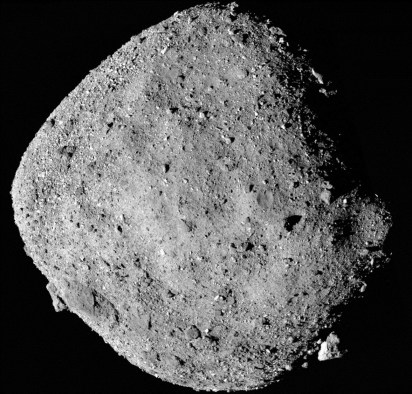
OSIRIS-REx made its flyby of Earth on September 24,
dropping off the TAGSAM after an incredible mission that required over 7 years. The container dropped down to the Utah desert, where it was proficiently recovered and shipped promptly to a perfect office, to be opened with an outright least of earthly tainting.  Albeit the external case opened quite effectively, giving researchers admittance to 70 grams of space rock dust, the principal TAGSAM head containing most of the example remained firmly fixed against the group's earnest attempts. The holder was fixed with 35 latches, two of which remaining tenaciously impervious to the apparatuses endorsed for use in the sterile glovebox in which the opening was to happen.
To take care of this issue, the group needed to foster new devices.
They planned two new multi-part apparatuses, which needed to go through thorough testing and practice before at last being placed to use in the glovebox on the genuine TAGSAM head. There is still a dismantling to finish before the full example can be seen, removed, and estimated, however the huge obstacle of those two clasp has been settled at any rate. Science can now continue. "Notwithstanding the plan challenge of being restricted to curation-endorsed materials to safeguard the logical worth of the space rock test, these new instruments likewise expected to work inside the firmly bound space of the glovebox, restricting their level, weight, and potential bend development.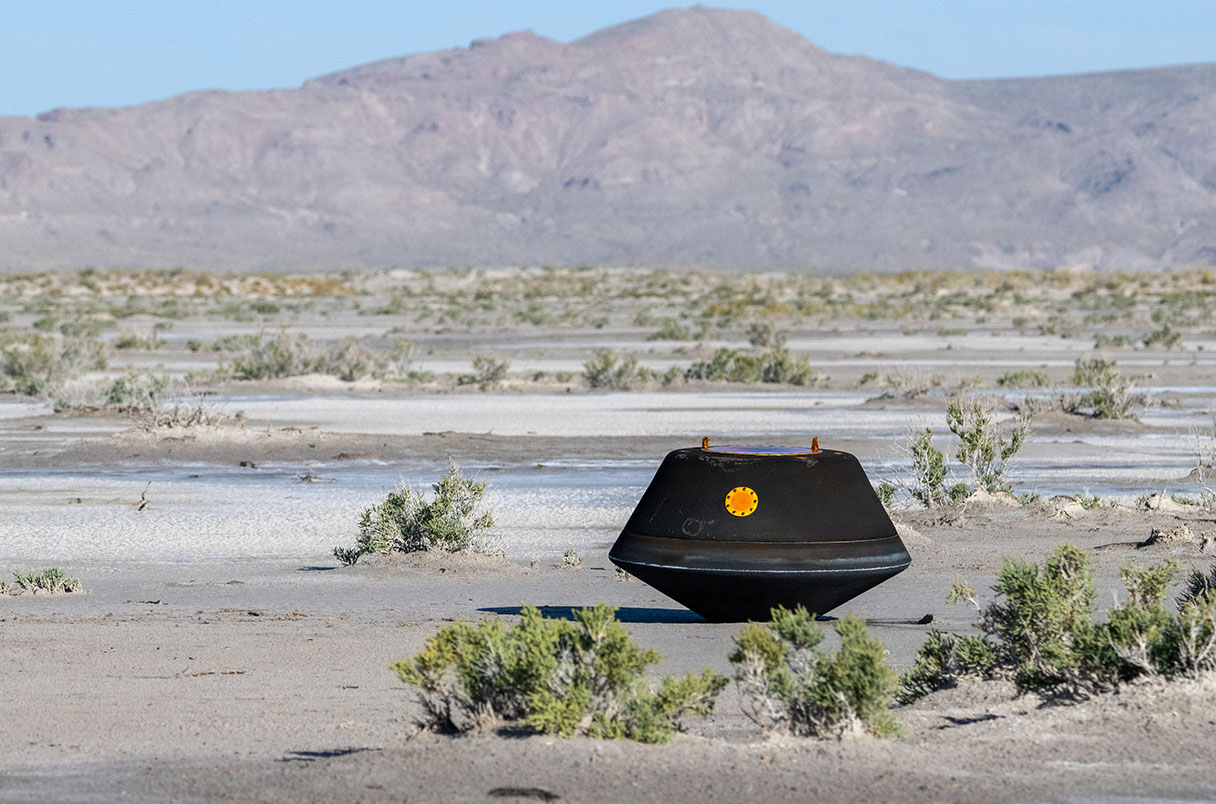
says petrologist Nicole Lunning, OSIRIS-REx caretaker at NASA's Johnson Space Flight Center.
The curation group showed great strength and accomplished extraordinary work to get these difficult latches off the TAGSAM head so we can proceed with dismantling. We are excited with the achievement." Presently, at long last, we could possibly set our eyes on the biggest take of space rock soil at any point effectively gathered and conveyed to Earth by a human mission. OSIRIS-REx, presently renamed OSIRIS-Zenith, is right now on the way to another space rock, the possibly dangerous item Apophis. That meeting is because of happen in 2029.
NASA Finally Prises Lid Off The Largest Haul of Asteroid Dust Ever Obtained?
It's been over 3.5 months since NASA's OSIRIS-REx rocket dropped off its valuable example of space rock residue, and researchers have at last figured out how to get the top...
ALadnan luni26 November 2024 · Updated 24 Feb 2026
- 807views
- 1paid views

AL
Written by
@adnankhan1 · 76 articles · Joined Jan 2024
I m expert in articles
Keep reading
Science1.3kviewsAI-Designed Viruses: How Artificial Intelligence Is Rewriting DNA
Artificial intelligence is transforming DNA science, from improving CRISPR accuracy with tools like Pythia to designing entirely new viral genomes. These breakthroughs open doors to personalized medicine, gene therapies, and...
SJSummayya Jaweed
- 1.3kviews
- 2 Oct 2025published
 Science1.1kviews2paid views
Top 15 New Technology Trends That Will Shape the World by 2027
In This Article You Will Learn About Top 15 New Technology Trends That Will Shape the World by 2027
MA Manzar Abbas
 Manzar Abbas
- 1.1kviews
- 2paid views
- 6 Jan 2026published
 Science2.2kviews
_The Meaning of Science: Understanding the Natural World_ Science is a term that is often used, but rarely defined
_The Meaning of Science: Understanding the Natural World_
S Safe
 Safe
- 2.2kviews
- 1likes
- 13 Feb 2025published
 Science1.9kviews
The Science of Climate Change: Causes, Effects, and Solutions
Climate change is a critical global issue caused primarily by human activities such as greenhouse gas emissions, deforestation, and industrial processes. Its effects include rising temperatures, extreme weather events, sea-level...
MZ M zain
 M zain
- 1.9kviews
- 13 Feb 2025published
 Science1.1kviews
Graphene Semiconductor Achieves Functionality: A Leap for Electronics
A leap forward for electronics is the functional graphene semiconductor. The world's first functional graphene-based semiconductor has been developed by Georgia Institute of Technology researchers in a ground-breaking electronic development....
AA Amal Arshad
 Amal Arshad
- 1.1kviews
- 30 Sept 2025published
 Science1.7kviews
The Power of Science: Shaping the Present and Building the Future
Science is not just a field of study—it's the engine behind modern civilization. This article delves into how scientific advancements shape today’s world and lay the foundation for tomorrow’s innovations....
STSyed turaab
- 1.7kviews
- 18 Jun 2025published
Comments 0
Sign in to join the conversation.
No comments yet. Be the first to say something.