

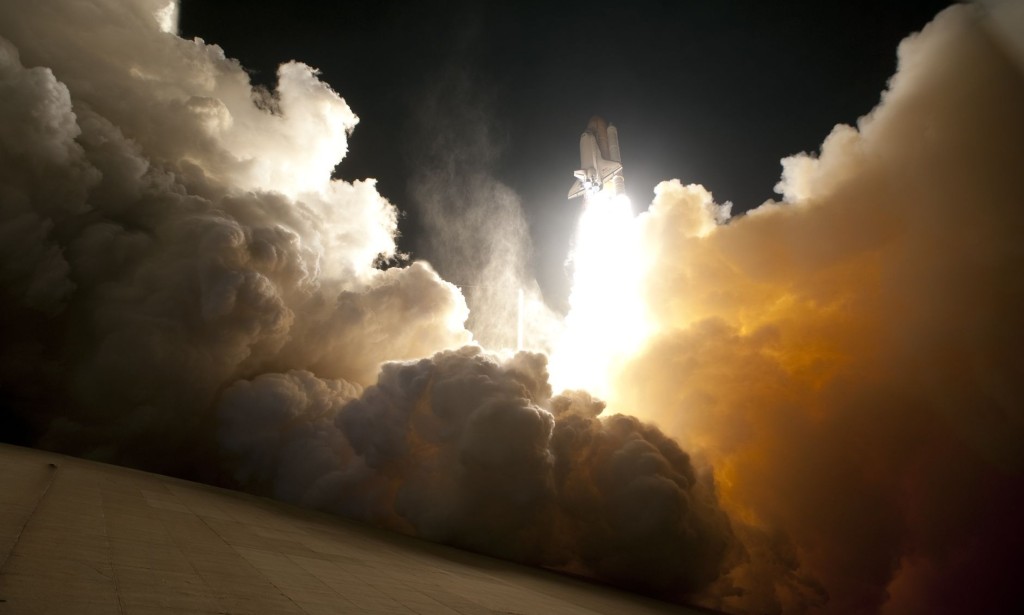
1. Introduction: A New Era in Lunar Exploration
On January 10, 2024, the world witnessed a historic milestone as the Artemis III mission launched into the heavens, reigniting humanity’s passion for lunar exploration. With the colossal Space Launch System powering the journey, Artemis III represents a pivotal step in NASA’s Artemis program. Unlike its predecessors, this mission isn't just about landing on the Moon—it’s about harnessing its resources, particularly lunar ice, to pave the way for sustainable exploration and future colonization.
Millions tuned in worldwide to watch the fiery liftoff, a moment filled with anticipation and pride. This mission promises to unlock the Moon’s hidden potential, bringing us closer to establishing humanity's presence beyond Earth.

2. The Artemis III Mission Objectives
At its core, Artemis III aims to:
- Land astronauts on the Moon’s South Pole, a region unexplored by humans.
- Extract and analyze water ice from permanently shadowed craters.
- Gather insights into the Moon’s formation and history.
- Test technologies crucial for future deep-space missions.
Water ice on the Moon is more than a scientific curiosity; it’s a potential lifeline. It could be transformed into drinking water, breathable oxygen, and rocket fuel, reducing the need for Earth-based resupplies. Artemis III is laying the groundwork for a future where the Moon becomes humanity’s stepping stone to Mars and beyond.

3. Meet the Crew of Artemis III
The diverse crew of Artemis III embodies international collaboration and expertise:
- Commander Amelia Hernandez: A seasoned astronaut and aerospace engineer, leading the mission with unparalleled expertise.
- Pilot Jackson Lee: A former test pilot with a passion for innovation and exploration.
- Mission Specialist Dr. Li Wei: A physicist specializing in robotics and systems crucial for lunar ice extraction.
- Lunar Geologist Dr. Carlos Rodriguez: A geologist with years of experience studying extraterrestrial terrains.
Each member brings a unique skill set vital for the mission’s success. Their extensive training, including simulations in lunar-like environments on Earth, ensures they are prepared for the challenges ahead.

4. The Journey to the Moon's South Pole
After a three-day journey, the Orion spacecraft will guide the Artemis III crew to their destination: the Moon’s South Pole, specifically the Cabeus crater. This region, shrouded in perpetual darkness, is believed to harbor vast deposits of water ice. Navigating such an uncharted and harsh environment will be no small feat.
The team will deploy a lunar rover equipped with advanced drilling and sampling tools, designed to withstand extreme cold and low-light conditions. Their meticulous operations will provide humanity's first direct access to lunar ice deposits, a resource long theorized but never before studied in situ.
5. Lunar Ice Extraction: Unlocking the Moon's Secrets
Lunar ice is the focal point of Artemis III. Extracting this resource involves precision drilling and using specialized instruments to analyze its composition. The rover will extract ice cores, providing invaluable data about the Moon’s history and resource potential.
These efforts are not without challenges. The extreme cold and rugged terrain require robust technology and adaptive strategies. However, the potential rewards—understanding the Moon’s water cycle and utilizing its resources for sustainable space travel—make these efforts worthwhile.

6. Scientific Significance of Lunar Ice
The ice extracted by Artemis III will be returned to Earth for detailed analysis. Scientists hope to answer questions such as:
- How did water come to exist on the Moon?
- What does lunar ice reveal about the early solar system?
- Can this resource support future human colonies?
The implications extend beyond scientific curiosity. If lunar ice can be efficiently converted into fuel or water, it could revolutionize space travel, making distant destinations like Mars more achievable.

7. Global Collaboration in Space Exploration
Artemis III is not just an American endeavor; it’s a global mission. NASA has partnered with the European Space Agency, the Canadian Space Agency, and the Japanese Aerospace Exploration Agency, among others. This collaboration underscores the shared vision of humanity's future in space.
These partnerships provide technological expertise, funding, and political support, demonstrating how nations can unite to achieve monumental goals.

8. The Future of Lunar Exploration: Permanent Moon Bases
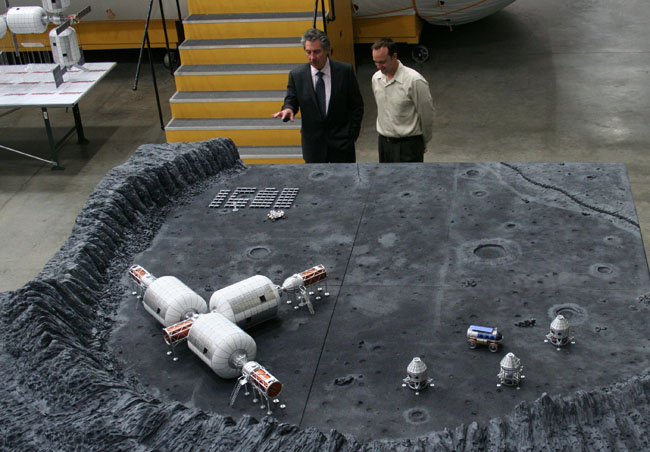
Artemis III is the first step toward establishing a permanent human presence on the Moon. Future missions will build on its achievements, constructing habitats, developing sustainable energy systems, and refining resource extraction techniques.
A lunar base could serve as a launchpad for Mars missions, reducing costs and risks associated with interplanetary travel. It also opens the door for scientific discoveries and commercial ventures, from mining rare minerals to space tourism.
As humanity stands on the brink of this new frontier, Artemis III is a testament to our boundless ambition and ingenuity.









Comments 0
Sign in to join the conversation.
No comments yet. Be the first to say something.