

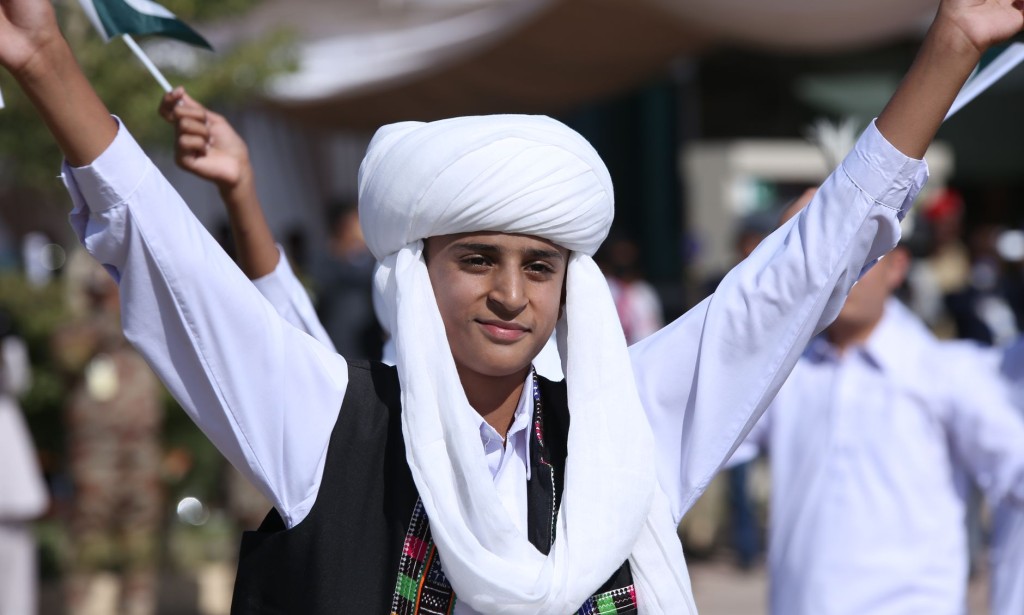
Culture is a blend of ancient traditions and modern influences, constantly adapting to changes in technology, globalization, and social dynamics. At its heart, culture is the shared identity of a group, encompassing language, customs, beliefs, and values passed down through generations. As society evolves, so too does culture, merging the old with the new to create a dynamic tapestry that reflects humanity's journey.
The Enduring Power of Tradition
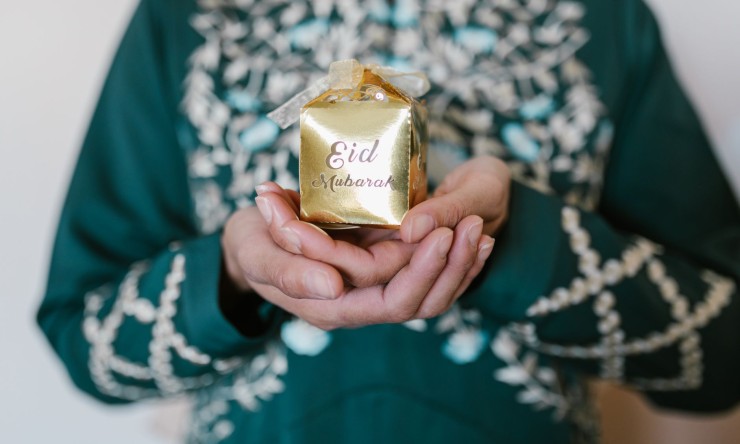
Traditions form the foundation of cultural identity. Rituals, celebrations, and practices—whether religious, familial, or societal—connect people to their roots and give them a sense of belonging. These traditions, such as seasonal festivals, traditional dress, or ceremonial dances, hold stories that offer insights into a community’s past. For example, traditional weddings or harvest festivals preserve customs that have remained largely unchanged, acting as time capsules of cultural values and beliefs. Even as modern life introduces new ways of celebrating, the essence of these traditions endures, linking the present with the past.
The Influence of Technology on Culture
The advent of digital technology has transformed how we experience and express culture. Social media platforms, for example, allow people to share their cultural practices globally, promoting awareness and appreciation for diversity. Technology also provides tools to preserve endangered languages and traditions through digital archiving and virtual experiences. However, while these advances have broadened cultural reach, they also bring challenges such as cultural appropriation and the dilution of certain traditional practices.
Technology has introduced new cultural norms and ways of communication. Emojis and memes have become part of the global language, creating a new layer of shared understanding. Digital spaces allow for the fusion of cultural practices in ways never before possible, as individuals can connect, collaborate, and share across geographic and cultural boundaries.
Globalization and the Interplay of Cultures
Globalization has brought cultures closer together, blending elements from different traditions to create new expressions. Food is a vivid example, with fusion cuisines combining techniques and ingredients from various cultures to create unique dishes that celebrate diversity. Fashion, too, reflects this trend, as global influences mix to create styles that honor heritage while embracing innovation.
While globalization enriches culture, it can also lead to concerns about cultural homogenization, where unique identities risk being overshadowed by dominant global trends. Yet, many communities embrace a “glocal” approach—integrating global influences in ways that respect and preserve their local culture.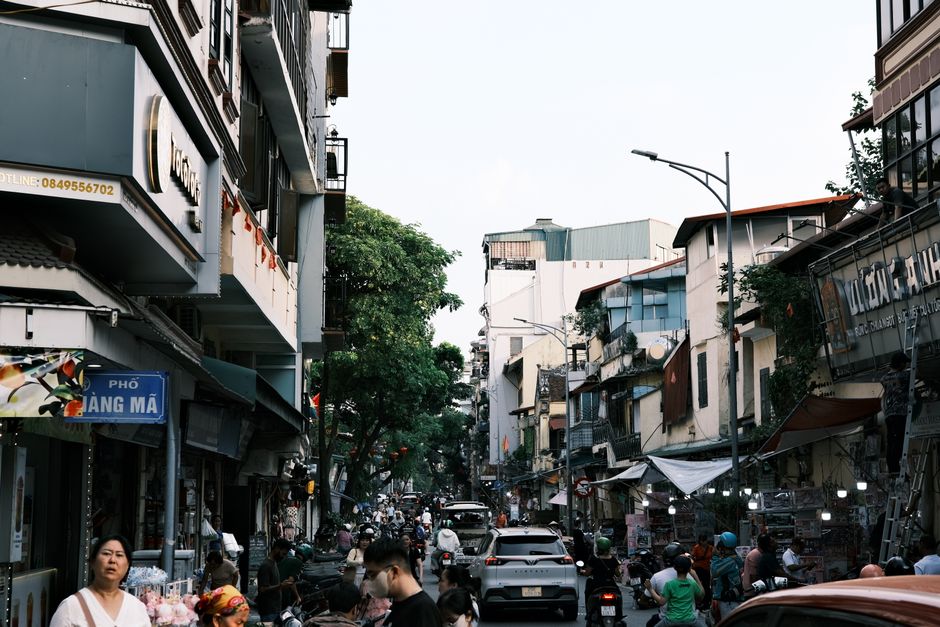
The Generational Dialogue: Tradition Meets Modernity
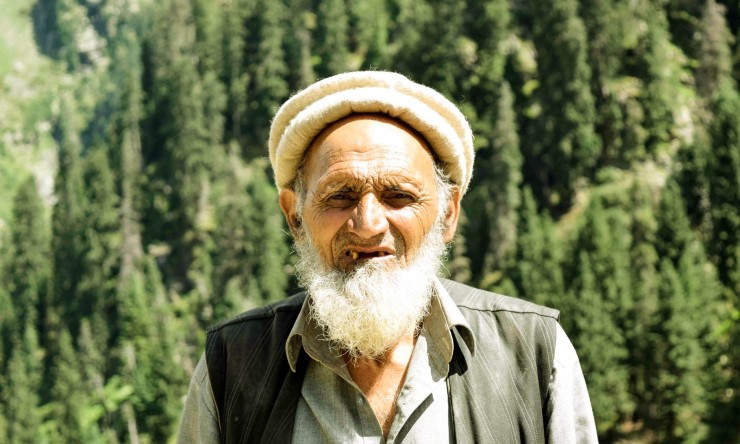
One of the most beautiful aspects of cultural evolution is the dialogue between generations. Elders pass on their wisdom and experiences, while younger generations reinterpret these traditions to suit contemporary life. This exchange ensures culture remains vibrant, allowing it to adapt without losing its essence. For instance, traditional art forms may find new life in digital media, and ancient languages are preserved through online courses and apps.
In many communities, younger generations are reviving traditional crafts, music, and languages with a modern twist. This balance between honoring heritage and embracing progress highlights the adaptability of culture and the strength of intergenerational connections.
Preserving Cultural Identity in a Rapidly Changing World
In the digital age, cultural preservation takes on new forms. Virtual museums, online exhibitions, and digital storytelling allow people to explore different cultures without leaving their homes. Many communities are digitizing their heritage, ensuring their stories, languages, and customs are accessible to future generations. This move to digital isn’t just preservation—it’s cultural empowerment, allowing people to reclaim and share their heritage with pride.
Cultural Resilience: The Strength to Adapt and Endure
Cultural resilience is the ability to adapt to changing circumstances while remaining true to core values. Through history, communities have faced wars, migrations, and colonialism, and yet, many have held onto their cultural essence. This resilience is evident in indigenous practices, sustainable agriculture, and environmental respect—concepts that resonate strongly today as society seeks sustainable ways of living.
Resilience in culture is not resistance to change; it’s the ability to grow and evolve while staying connected to one’s roots. Communities around the world have shown this strength, balancing preservation and adaptation to create a sustainable, authentic cultural identity.
Looking to the Future: Culture as a Living Tapestry
As we move forward, culture will continue to reflect both ancient wisdom and modern innovation. Virtual reality, artificial intelligence, and other emerging technologies offer new ways to experience and preserve culture, from virtual tours of historical sites to AI-driven language learning. Education is also playing a significant role, as schools increasingly promote cultural awareness and appreciation, fostering empathy and respect for diverse backgrounds.
The evolution of culture showcases human creativity, adaptability, and unity. By honoring traditions and embracing change, cultures around the world form a vibrant mosaic that celebrates both uniqueness and shared humanity. Culture is not static; it is alive, growing, and forever evolving, a reflection of our past, present, and dreams for the future.





Comments 0
Sign in to join the conversation.
No comments yet. Be the first to say something.