

1. The Role of Education in Personal Empowerment
Education empowers individuals by equipping them with the knowledge, skills, and values necessary to lead fulfilling lives. It fosters critical thinking, creativity, and problem-solving abilities, enabling people to adapt to new challenges and opportunities.
From basic literacy to advanced technical skills, education builds self-confidence and opens doors to better career prospects. It also nurtures emotional intelligence and ethical awareness, promoting well-rounded personal development. Education doesn’t just prepare people for jobs—it prepares them for life.

2. Education as a Driver of Societal Progress
On a societal level, education acts as a catalyst for economic growth, social equality, and global stability. Key contributions include:
- Economic Development: A skilled workforce drives innovation and productivity.
- Social Mobility: Education helps break cycles of poverty and inequality.
- Health and Well-being: Educated populations tend to have better health outcomes and longer life expectancy.
- Civic Engagement: Education promotes informed decision-making and active participation in governance.
By prioritizing education, societies can tackle pressing global challenges, from climate change to economic inequality, with informed and sustainable solutions.
3. Challenges in Global Education Systems
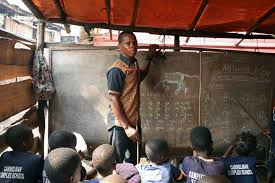
Despite its transformative power, education faces significant challenges worldwide:
- Access: Over 244 million children globally are out of school due to poverty, conflict, or other barriers.
- Quality: Disparities in resources and teacher training lead to unequal learning outcomes.
- Gender Inequality: In many regions, girls face obstacles to accessing education.
- Technological Divide: Limited internet access restricts opportunities for online learning.
- Funding Shortfalls: Insufficient investment hinders educational infrastructure and innovation.
Addressing these challenges is critical to ensuring equitable opportunities for all.
4. Innovations Transforming Education
The education sector is undergoing a revolution, driven by technological advancements and changing demands. Key innovations include:
- EdTech Solutions: Online platforms and AI tools are making education more accessible and personalized.
- Gamification: Integrating game elements into learning boosts engagement and retention.
- STEAM Focus: Emphasizing Science, Technology, Engineering, Arts, and Mathematics prepares students for future careers.
- Global Classrooms: Virtual learning connects students and educators across borders.
- Sustainability Education: Programs teaching environmental responsibility are gaining traction.
These innovations ensure that education remains relevant and impactful in a fast-changing world.
5. The Future of Lifelong Learning
In today’s dynamic job market, education no longer ends with graduation. Lifelong learning has become essential for staying competitive and adaptable. This involves:
- Continuous Skill Development: Acquiring new skills to keep up with industry demands.
- Microlearning: Short, focused learning sessions tailored to busy lifestyles.
- Cross-disciplinary Knowledge: Exploring diverse fields to enhance innovation.
- Soft Skills Training: Developing leadership, teamwork, and communication skills.
By embracing lifelong learning, individuals can thrive in an era of constant change.

6. How to Support Education for All
Achieving global access to quality education requires collective action. Key strategies include:
- Investing in Infrastructure: Build schools and equip them with necessary resources.
- Supporting Educators: Provide training, fair wages, and tools to empower teachers.
- Leveraging Technology: Expand internet access and integrate digital tools.
- Advocating for Policies: Push for government support and funding for education initiatives.
- Fostering Partnerships: Encourage collaboration between public, private, and non-profit sectors.
By prioritizing education, we can create a world where everyone has the opportunity to learn and grow.








Comments 0
Sign in to join the conversation.
No comments yet. Be the first to say something.