

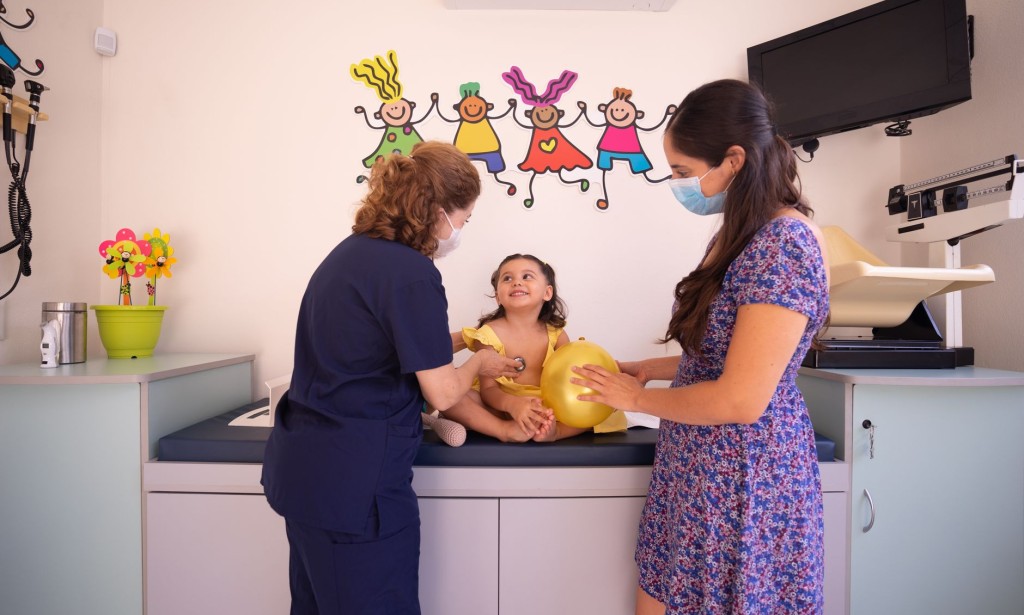
The human microbiome—the vast collection of microbes (bacteria, viruses, fungi, and other microorganisms) that live inside and on the body—plays a crucial role in maintaining health. These microbial communities, particularly in the gut, influence everything from digestion and immune function to brain development and disease resistance. As research into the microbiome accelerates, scientists are beginning to uncover its profound impact on children’s health, particularly in preventing and managing life-threatening conditions.
In this article, we explore how boosting microbiome science could revolutionize pediatric health, potentially saving millions of children’s lives worldwide.
Key Words: Microbiome, Pediatric Health, Gut Health, Immune System, Microbial Therapy, Child Mortality, Disease Prevention, Healthcare Innovation
The Link Between the Microbiome and Children's Health
Recent studies have revealed that the microbiome is especially crucial during the early stages of life, shaping a child's immune system and susceptibility to various diseases. The first few years of life are a critical period when the microbiome is developing and establishing itself, with lasting effects on long-term health.
How the Microbiome Influences Child Health
- Immune System Development: A balanced microbiome helps the immune system mature, teaching it to recognize harmful pathogens while avoiding unnecessary responses to harmless substances.
- Digestive Health: Healthy gut bacteria assist in the breakdown of food, producing nutrients essential for growth and brain development.
- Mental and Behavioral Health: Emerging research points to a "gut-brain axis," where gut health influences mood, behavior, and cognitive development.
- Disease Prevention: A diverse and balanced microbiome can protect against infections, autoimmune diseases, allergies, and even conditions like obesity and asthma.
The Potential for Microbiome-Driven Therapies
Boosting microbiome science opens up the possibility of developing innovative therapies to combat a wide range of pediatric diseases. Researchers are now exploring ways to manipulate the microbiome to treat or prevent diseases that disproportionately affect children.
Microbial Therapy:
Microbial therapies, such as probiotics, fecal microbiota transplants (FMT), and microbiome-modulating drugs, are being investigated for their potential to treat conditions like diarrhea, allergies, and even autism spectrum disorder (ASD). These therapies work by restoring a healthy balance of microbes in the body, potentially reversing or mitigating the effects of disease.
For example, children suffering from severe gastrointestinal infections, such as those caused by Clostridium difficile, can benefit from fecal microbiota transplants. This procedure has shown promising results in restoring gut health and preventing recurrent infections.
Harnessing the Power of Probiotics
Probiotics, which are live microorganisms that confer health benefits when consumed in adequate amounts, are also being researched as a way to improve children’s immune health. Studies suggest that administering probiotics early in life can reduce the incidence of allergies, asthma, and even childhood obesity.

The Role of Early Intervention and Prevention
One of the most promising aspects of microbiome science is the ability to prevent disease before it starts. By focusing on early intervention, we can reduce the burden of chronic conditions and infections in children, ultimately saving millions of lives.
The Impact of Early Microbiome Shaping
- Birth Mode: Research suggests that children born through cesarean section (C-section) are exposed to a less diverse microbiome, which may increase their risk for conditions like asthma and obesity. Studies are exploring ways to restore microbial diversity in C-section-born children to improve their long-term health.
- Breastfeeding: Breast milk is rich in beneficial microbes and oligosaccharides that support the development of a healthy microbiome. Promoting breastfeeding could be a simple yet powerful strategy to boost microbiome health and reduce infant mortality rates.
- Antibiotic Use: Overuse of antibiotics in early childhood can disrupt the microbiome, leading to harmful imbalances that increase susceptibility to infections and chronic diseases. Reducing unnecessary antibiotic prescriptions could help maintain a healthier microbiome and reduce long-term health risks.
Preventing Infections and Malnutrition
In developing countries, where children are more vulnerable to infections and malnutrition, microbiome-based interventions could be game-changing. Gut health plays a crucial role in nutrient absorption, and restoring a healthy microbiome could help combat malnutrition and improve growth outcomes in children.
The Challenges and Opportunities in Microbiome Research
While the potential of microbiome science to improve pediatric health is vast, there are still many challenges to overcome. Microbiome research is complex, as each individual’s microbiome is unique, shaped by factors such as genetics, diet, environment, and health history.
Challenges
- Personalized Medicine: Developing personalized treatments based on an individual’s microbiome is a significant challenge, as more research is needed to understand the variations in microbiome composition and function.
- Regulatory Hurdles: The use of microbiome-based therapies, such as fecal transplants or probiotics, faces regulatory challenges in terms of safety and efficacy standards.
- Access and Equity: While microbiome-based interventions hold promise, ensuring that these treatments are accessible to children in low-income and underdeveloped regions is critical.
Opportunities
- Collaboration Across Disciplines: Interdisciplinary collaboration between microbiologists, pediatricians, immunologists, and healthcare professionals can accelerate the development of innovative therapies.
- Global Impact: With the right investment, microbiome science can be scaled globally, addressing health disparities and improving child health in underprivileged regions.
- Long-Term Health Benefits: By improving early-life microbiome health, we can reduce the lifetime burden of chronic diseases, improving the overall quality of life for millions of children.
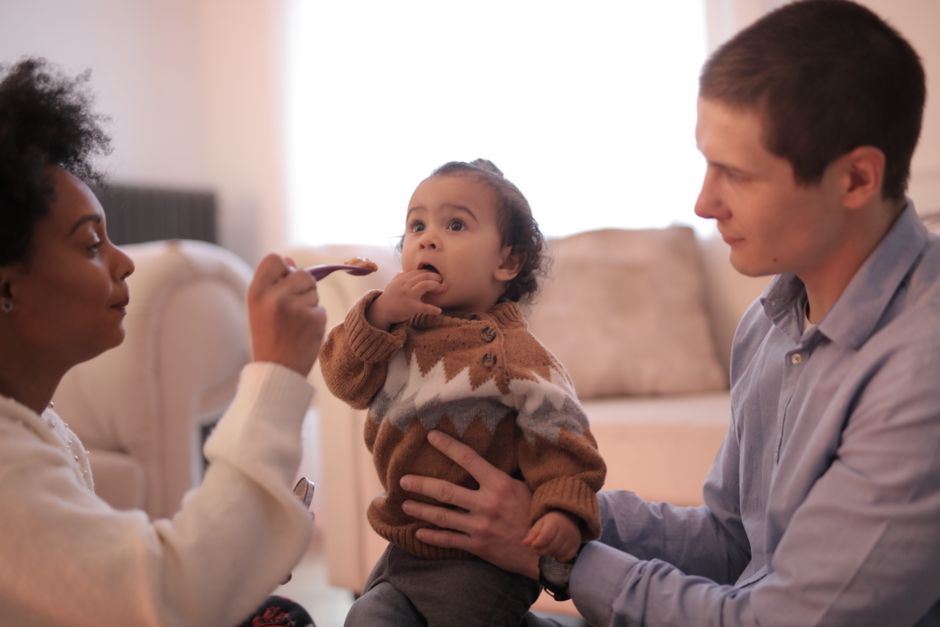
Conclusion: A Path to Saving Lives
Boosting microbiome science has the potential to transform pediatric healthcare, offering new avenues for disease prevention, early intervention, and personalized treatments. By focusing on the microbiome’s role in immune health, digestion, and disease resistance, we can save millions of children’s lives worldwide.
Through continued research, collaboration, and investment, microbiome science can reshape the future of child health, reducing mortality rates and improving the quality of life for future generations. The true potential of microbiome science is just beginning to be realized, and the impact on children’s health could be nothing short of revolutionary.






Comments 0
Sign in to join the conversation.
No comments yet. Be the first to say something.