



Understanding the Expectations, Comparisons and Silent Struggles of Young People
Introduction: When Life Becomes a Race
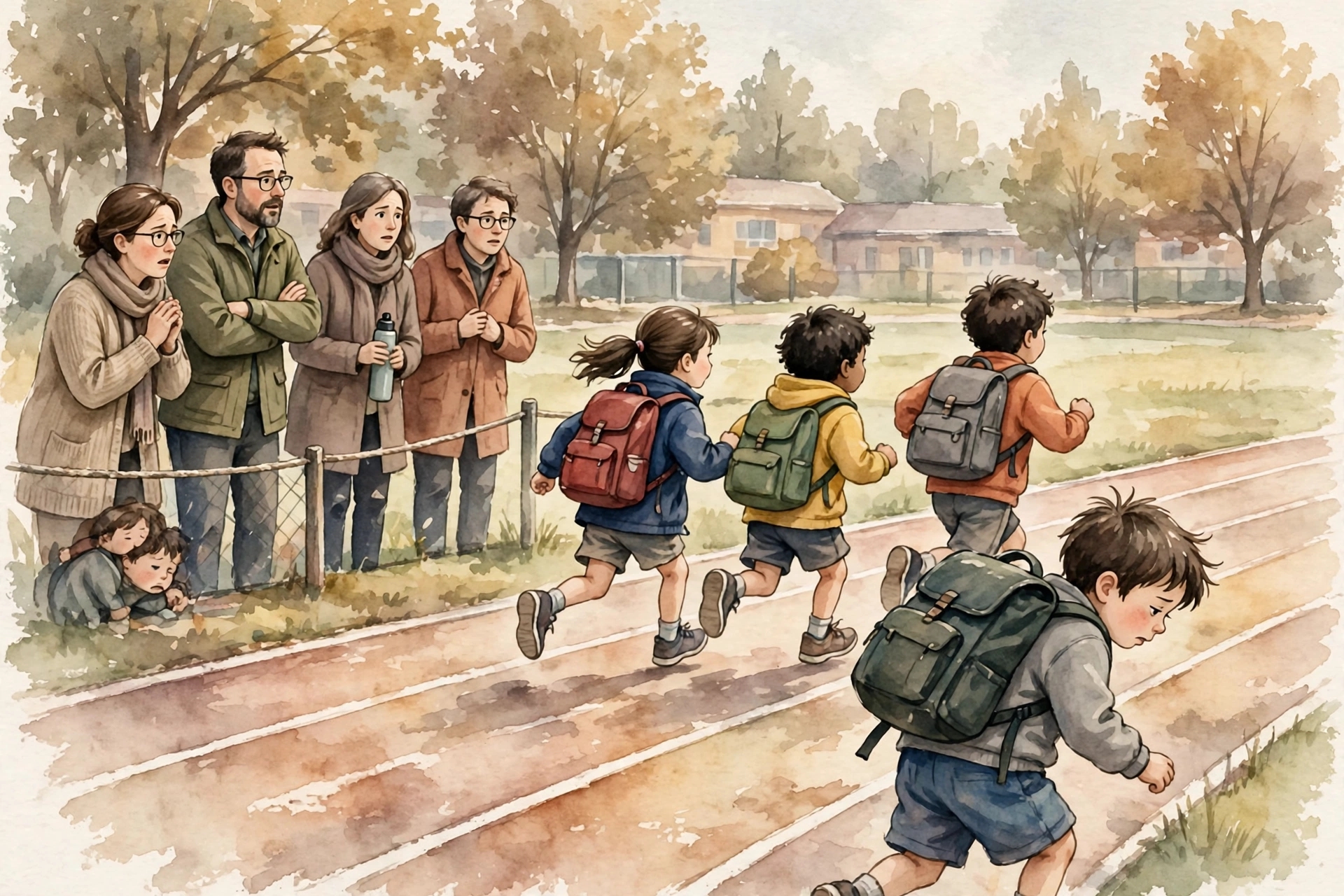
Somewhere between childhood dreams and adult responsibilities, we begin to believe that we must become someone before we are allowed to feel proud of who we already are.
As children, we are often asked what we want to become when we grow up. Some say doctors, engineers, teachers, pilots or successful businesspeople. At that age, the question feels exciting. We imagine a future filled with opportunities, achievements and happiness.
However, as we grow older, the same question begins to carry a different meaning. It is no longer simply about our dreams. It becomes connected to academic results, university admissions, professional qualifications, employment, financial stability and social recognition.
Gradually, life starts feeling like a race in which everyone is expected to reach a certain destination within a specific period.
Students are expected to achieve excellent grades. Graduates are expected to find respectable jobs. Young adults are expected to become financially independent. Meanwhile, families and society often measure progress through visible achievements.
The problem is not having ambitions. Ambition gives direction to life and encourages personal growth. The real problem begins when ambition turns into pressure and a person's entire identity becomes connected to what they have achieved.
Many young people are not simply working towards their dreams anymore. They are trying to prove that they are not falling behind.
1. The Race Begins Earlier Than We Realise
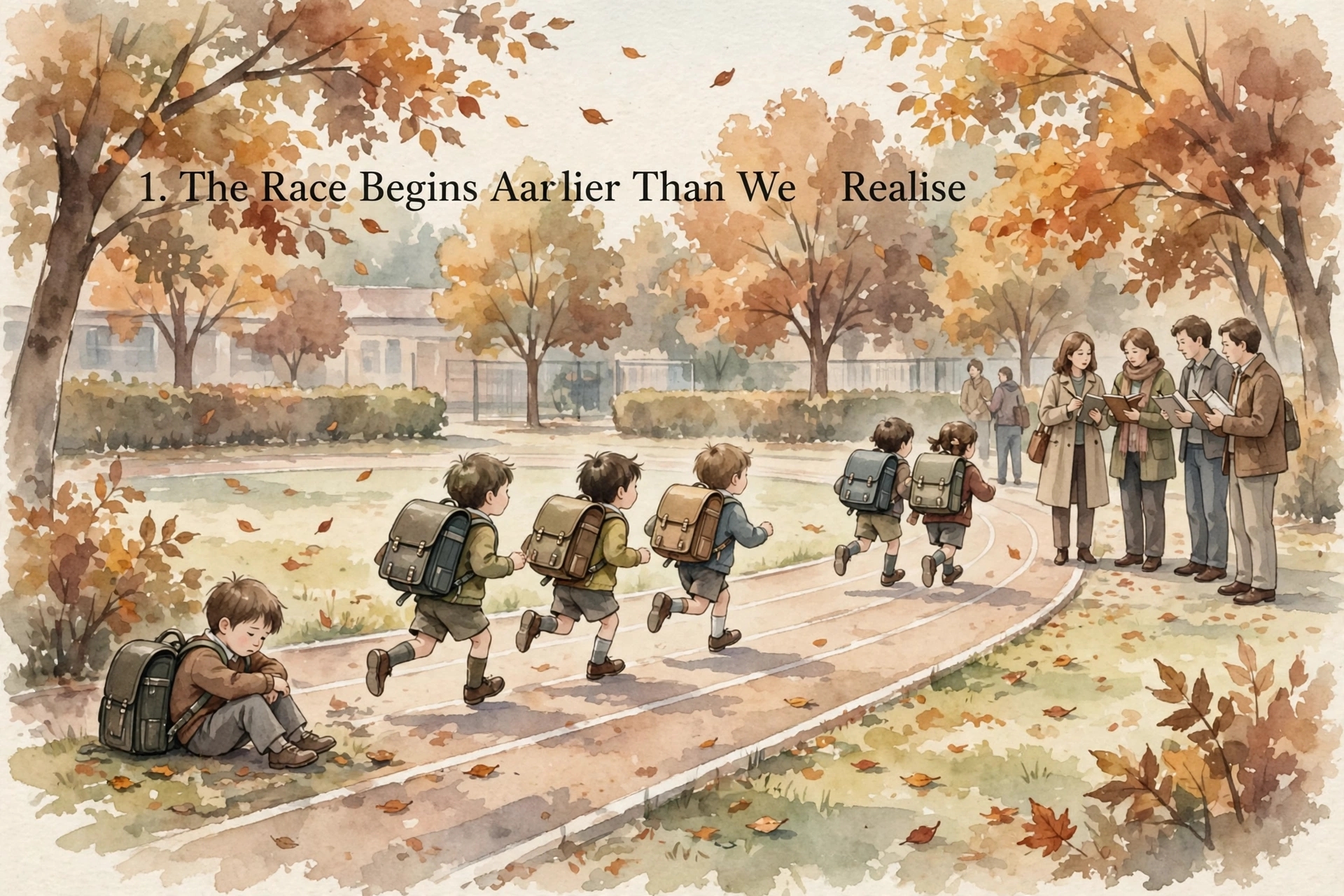
The pressure to become successful often begins during childhood.
Children are introduced to comparisons through ordinary conversations. They hear about relatives who achieved excellent grades, neighbours whose children entered prestigious institutions and family friends who secured impressive jobs.
Sometimes these comparisons are made with good intentions. Parents want their children to work hard and build a better future. However, repeated comparisons can create an unhealthy belief that personal worth depends on outperforming others.
A child who receives excellent marks may be praised, while another who struggles academically may begin to feel less capable.
Over time, children can develop the habit of connecting approval with achievement. They may start believing that they are valued more when they perform well.
This creates an invisible competition that follows them into adolescence and adulthood.
Instead of discovering their abilities, interests and personal strengths, many young people begin choosing paths that promise recognition.
They may study subjects they do not enjoy, pursue careers that do not match their interests or hide their difficulties because they fear disappointing others.
Education and ambition should help individuals discover their potential, not make them feel that they must constantly compete for acceptance.
2. When Grades Become an Identity
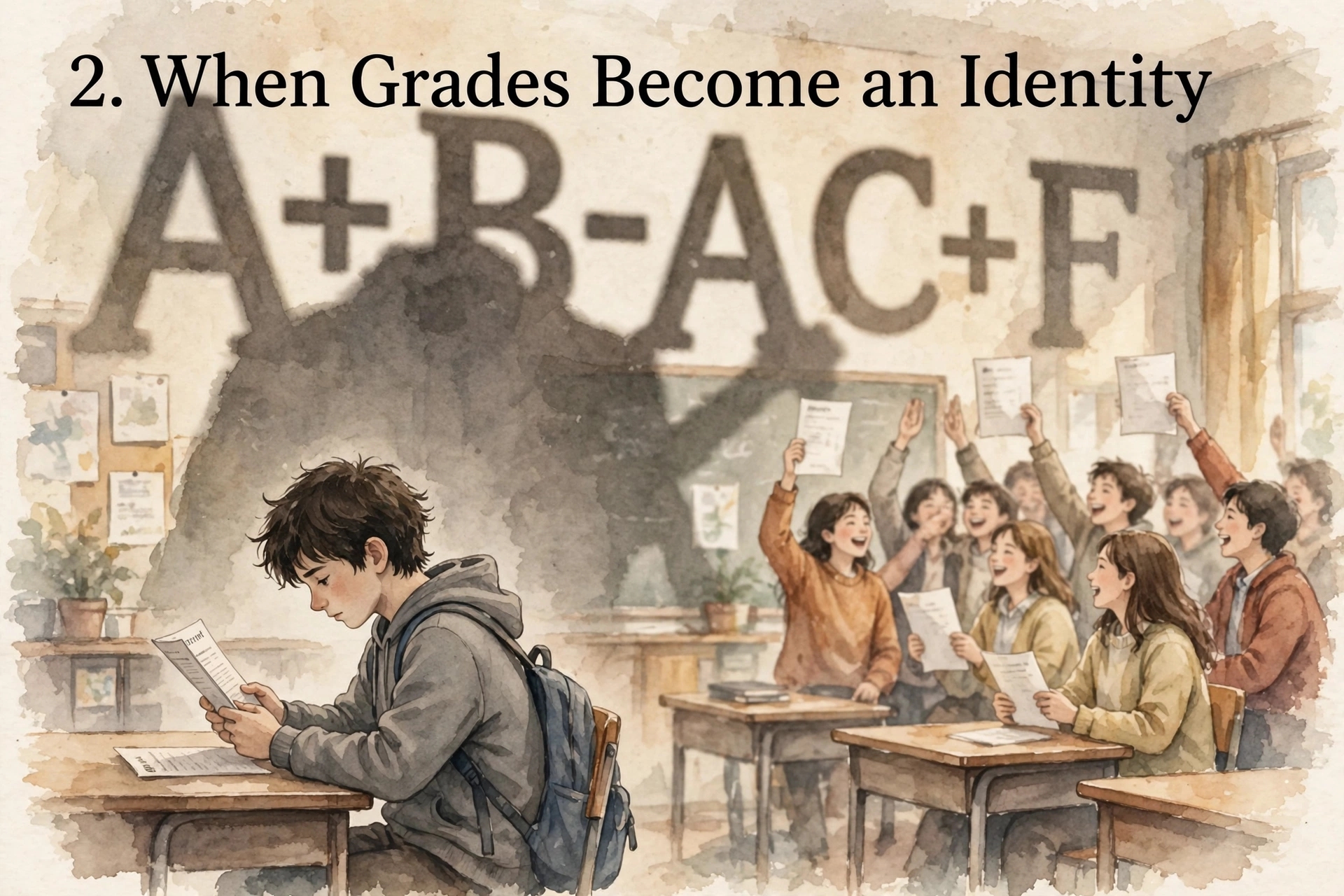
Academic performance plays an important role in a student's educational journey. Examinations help assess learning, identify weaknesses and measure progress.
However, problems arise when grades become the only measure of intelligence and ability.
A student who secures excellent marks may be considered intelligent, disciplined and promising. Meanwhile, a student who receives average grades may be labelled careless or unsuccessful.
Such judgments ignore the fact that students have different learning styles, circumstances, interests and abilities.
Some students perform exceptionally well in written examinations but struggle with communication. Others may have excellent practical skills, creativity, leadership qualities or problem-solving abilities that traditional examinations cannot fully measure.
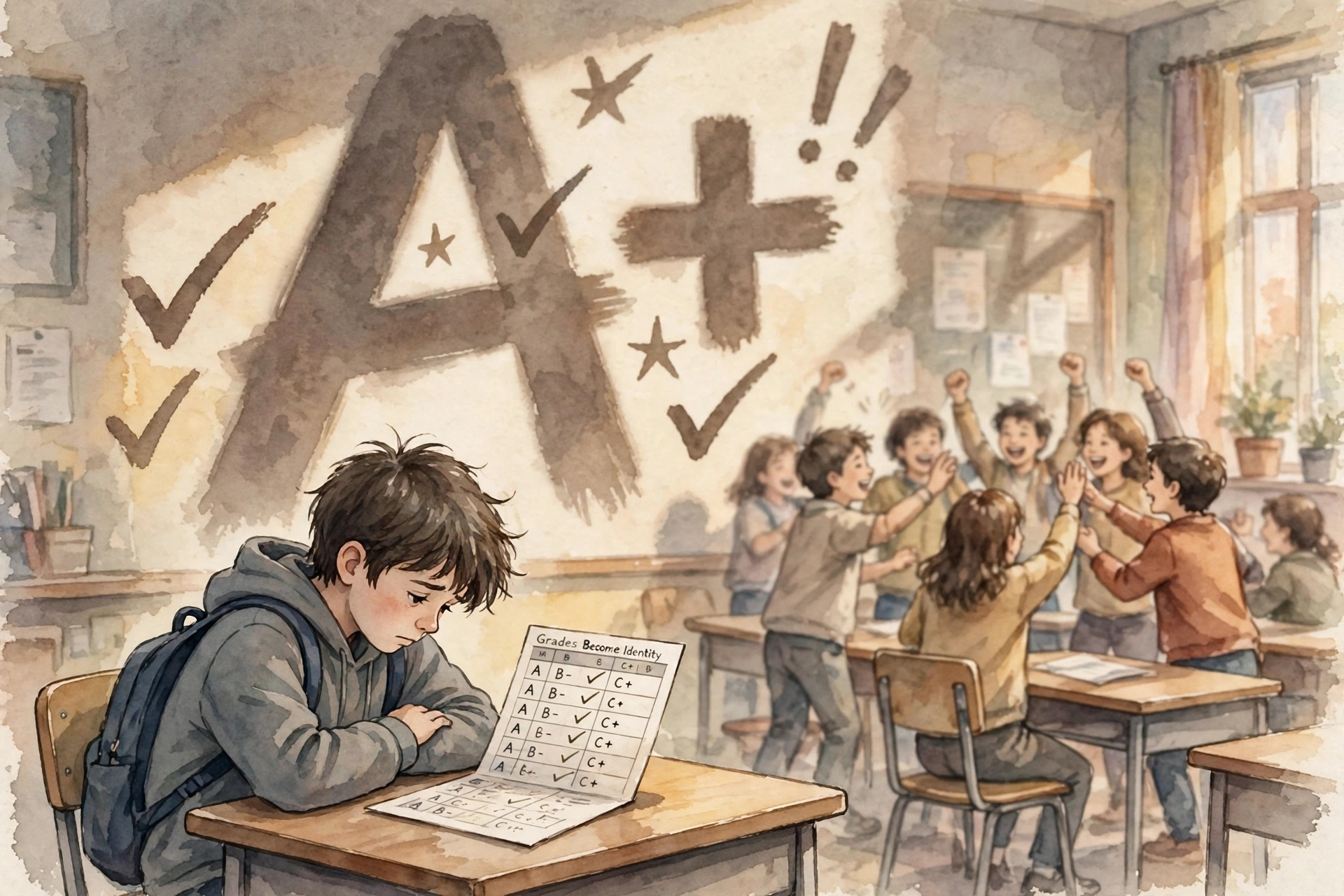
A low examination score does not necessarily indicate a lack of intelligence. Similarly, high marks do not automatically guarantee practical wisdom, emotional maturity or professional competence.
Students need to understand that education is much broader than obtaining certificates.
Real learning involves asking questions, developing ideas, understanding concepts, communicating effectively and applying knowledge to real-life situations.
When students are taught to value understanding rather than marks alone, they become more confident and independent learners.
3. The Weight of Family and Society's Expectations
Family support can be one of the strongest sources of motivation in a person's life. Parents often make sacrifices to provide their children with better educational and professional opportunities.
Their expectations frequently come from love, concern and the desire to see their children secure.
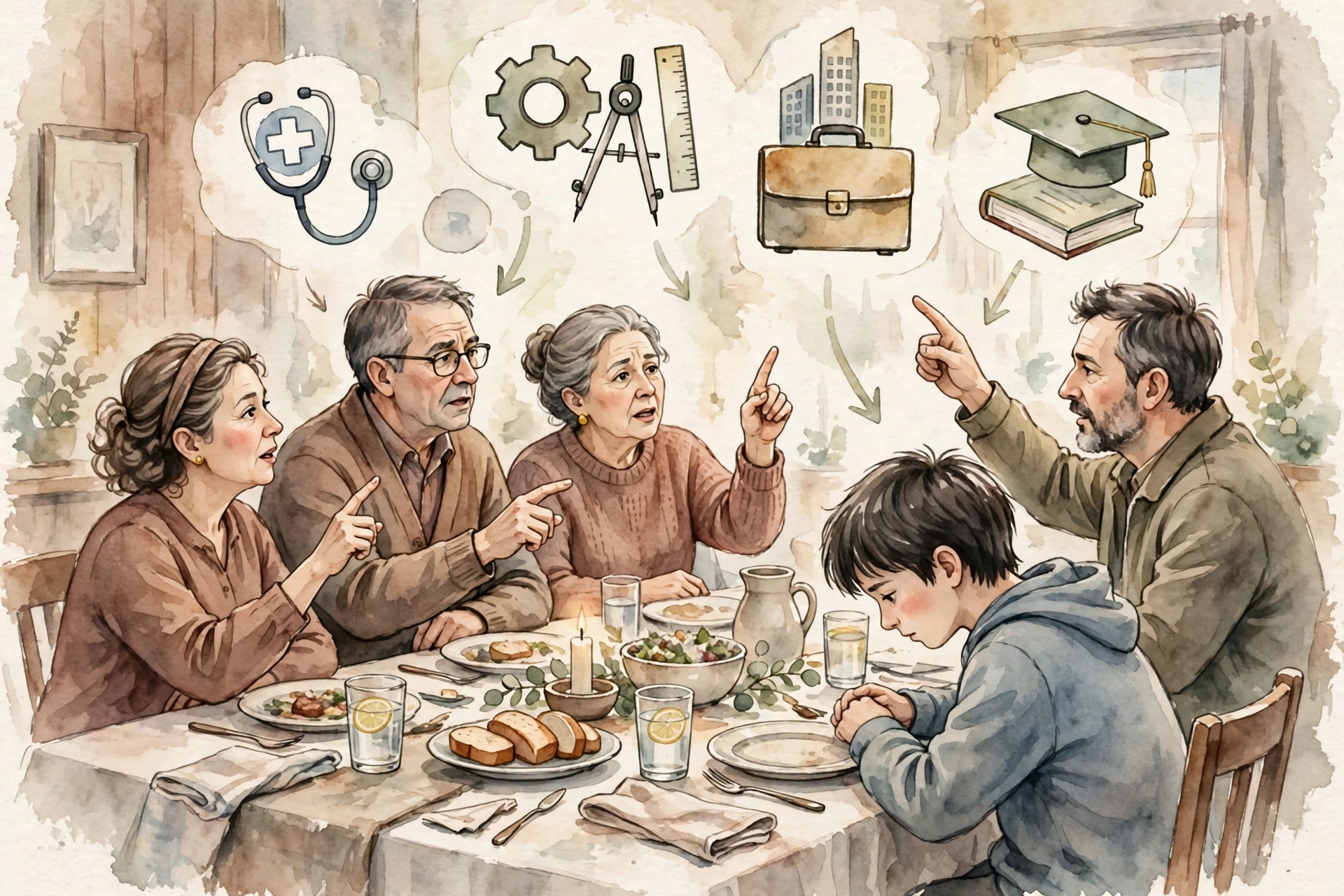
However, even well-intentioned expectations can become overwhelming when young people feel they have no freedom to make their own decisions.
A student may want to study literature but feel pressured to choose medicine. Someone may be interested in teaching but believe that society considers another profession more respectable.
Similarly, graduates may feel embarrassed about unemployment, even when they are actively searching for opportunities and improving their skills.
In many communities, success is discussed through a limited set of achievements: a prestigious degree, a government job, a high salary or a respected professional position.
These achievements are valuable, but they are not the only meaningful ways to build a life.
A person's future should not be decided entirely by social expectations. Families and educational institutions should encourage young people to recognise their abilities, understand their interests and make informed decisions.
Guidance is necessary, but guidance should not become control.
4. The Fear of Falling Behind
One of the most emotionally exhausting experiences for young adults is watching other people move forward while feeling personally stuck.

A former classmate announces a new job. Someone shares news of a scholarship abroad. Another person posts photographs of professional achievements, university admissions or personal milestones.
Although these achievements deserve appreciation, constant exposure to them can create unnecessary pressure.
Social media makes comparison particularly difficult because people usually share their happiest and most successful moments. They rarely publish their disappointments, financial difficulties, unsuccessful applications or uncertain days.
As a result, viewers may compare their ordinary everyday experiences with carefully selected highlights from other people's lives.
A person struggling to find employment may begin questioning their abilities after seeing someone else announce a successful career.
A student preparing for examinations may feel unsuccessful because a friend has already graduated.
But people do not begin life with identical circumstances. They have different resources, responsibilities, opportunities and personal challenges.
One person's progress does not mean another person's failure.
There is no universal timetable that determines when everyone must graduate, find employment, become financially independent or achieve personal stability.
Some people discover their direction early. Others need more time, experience and opportunities.
Progress should be measured against personal development, not against someone else's timeline.
5. The Uncertainty of Life After Graduation

For many young people, graduation is expected to mark the beginning of a successful professional life. They imagine that completing a degree will bring opportunities, independence and a clear direction.
Reality, however, can be very different.
After graduation, some individuals spend months or even years searching for suitable employment. Others prepare for competitive examinations, apply for scholarships, pursue further studies or try to develop professional skills.
This period can be particularly challenging because society often expects graduates to become financially independent immediately.
Unemployment may affect confidence, especially when a person feels responsible for supporting their family or meeting personal expectations.

The situation becomes more difficult when people repeatedly ask questions such as:
- Have you found a job yet?
- What are you doing these days?
- Why haven't you achieved something after graduation?
- When will you become independent?
Although these questions may appear ordinary, they can become emotionally exhausting when someone is already trying their best.
It is important to recognise that the transition from education to employment is not always straightforward.
Economic conditions, limited opportunities, professional competition and personal circumstances all influence career development.
Being unemployed does not mean being useless. Being uncertain does not mean lacking ambition.
Young graduates should use this period to identify their strengths, improve their skills, explore opportunities and remain open to different professional paths.
Their current circumstances should not become a permanent judgment about their potential.
6. The Pressure of Always Being Productive
Modern society often celebrates productivity. People are encouraged to wake up early, work harder, learn new skills, develop multiple abilities and make every moment count.

Self-improvement is valuable, but the constant demand to remain productive can become another source of stress.
Some young people feel guilty when they rest. They believe that spending time relaxing means wasting valuable hours that could have been used to achieve something.
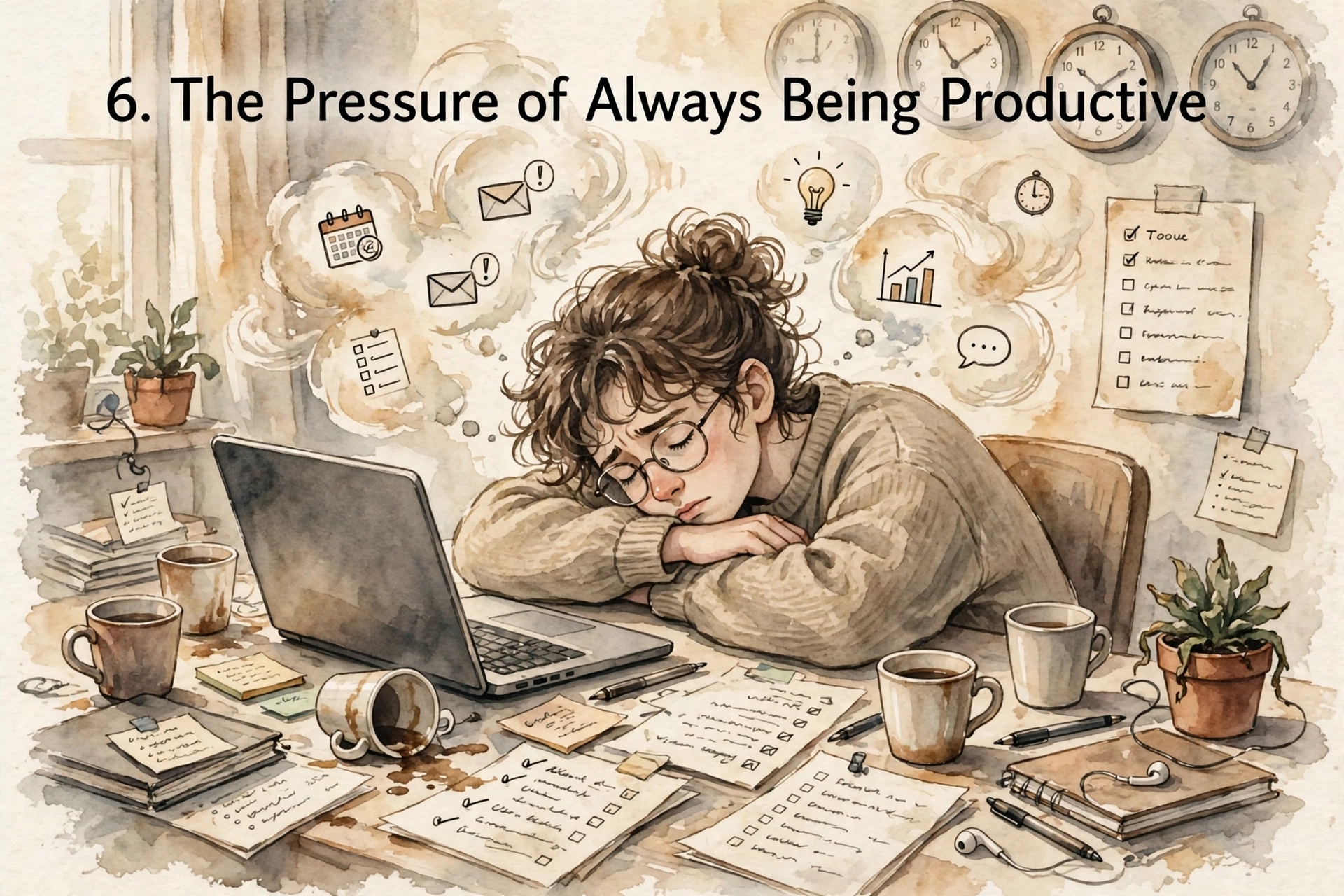
Even ordinary activities can become connected to productivity. Reading must improve knowledge, hobbies must generate income and free time must contribute to career development.
This mindset leaves little room for simply being human.
Rest is not necessarily laziness. Taking a break does not mean abandoning ambition. People need time to reflect, recover and maintain healthy relationships.
A balanced life includes responsibility as well as recreation. It includes professional development as well as emotional well-being.
Young people should understand that their value is not determined by how busy they appear or how many tasks they complete every day.
Sometimes, slowing down is necessary to understand where we are going.
7. Success Has Different Timelines

One of the most important lessons young people need to learn is that success does not follow a fixed schedule.
Some people secure their first jobs immediately after graduation. Others take longer to discover suitable opportunities.
Some individuals achieve financial stability in their twenties, while others build their careers gradually through experience and persistence.
There are people who change professions after several years because they discover new interests. Others return to education later in life.

None of these journeys is automatically better or worse.
The idea that everyone must achieve particular milestones at a particular age creates unnecessary anxiety.
Life is influenced by opportunities, circumstances, decisions and unexpected changes. A delay in one area does not mean that the entire future has been delayed.
Instead of asking why someone else has progressed faster, young people should ask themselves whether they are developing in a meaningful direction.
Are they learning something useful? Are they becoming more responsible? Are they improving their abilities? Are they making thoughtful decisions?
These questions are more constructive than constantly measuring personal progress against others.
8. How Young People Can Deal with This Pressure
Although social and family expectations cannot always be avoided, young people can develop healthier ways of responding to them.

Understand Your Own Definition of Success
Success should not be limited to income, job titles or social recognition. It can also involve personal growth, meaningful work, independence, healthy relationships and the ability to contribute positively to society.
Set Realistic Goals
Large ambitions become manageable when divided into smaller steps. Instead of worrying about achieving everything immediately, focus on the next practical action.
Stop Treating Comparison as Motivation
Other people's achievements can inspire us, but they should not become evidence of our inadequacy. Learn from successful individuals without treating their timelines as requirements for your own life.
Develop Skills Alongside Qualifications
Degrees are important, but communication, critical thinking, digital literacy, problem-solving and practical experience also contribute to professional development.
Learn to Communicate with Your Family
When expectations become overwhelming, respectful conversations can help families understand the challenges young people are facing. Explaining personal interests, career plans and realistic goals can reduce misunderstandings.
Allow Yourself to Rest
Physical and emotional well-being should not be sacrificed in the pursuit of recognition. Sustainable progress requires balance.
9. The Role of Parents and Educational Institutions.

The responsibility of addressing this pressure does not belong to young people alone.
Parents, teachers and educational institutions also have an important role in creating an environment where individuals can grow without constantly fearing failure.
Parents should recognise that children have different abilities and interests. Encouragement should not depend entirely on examination results or professional achievements.
Instead of comparing children with relatives, neighbours or classmates, parents can help them identify their strengths and work on their weaknesses.
Teachers should also create classrooms where asking questions, making mistakes and exploring ideas are treated as natural parts of learning.
Students should be encouraged to think independently rather than simply memorise information for examinations.
Educational institutions can further support students through career counselling, practical training, internships and opportunities to explore different professional fields.
Career guidance is particularly important because many students select academic programmes without fully understanding their future opportunities.
supportive educational environment should prepare students not only to pass examinations but also to face real-life responsibilities.
When young people receive guidance instead of constant judgment, they are more likely to develop confidence, independence and a healthier understanding of success.
10. Becoming Someone Without Losing Yourself

There is nothing wrong with wanting a better future. Education, professional development, financial independence and personal achievements are important parts of life.
Young people should be encouraged to dream, work hard and make the most of their abilities.
However, they should not have to lose their identity in the process.
A person can be ambitious and still experience uncertainty. Someone can be educated without having a prestigious job. Someone can be hardworking and still face rejection. Someone can be progressing even when their achievements are not visible to others.
We need to create a culture in which people are appreciated not only for what they achieve but also for their character, efforts, honesty, kindness and willingness to learn.
Becoming successful should not mean becoming someone society approves of while forgetting the person we once wanted to be.
Perhaps the most important part of growing up is learning to pursue our dreams without making our self-worth dependent on reaching them.
Conclusion: You Are Not Running Out of Time
The pressure of becoming someone is real, particularly for young people who are trying to balance education, careers, family expectations and personal dreams.
It is easy to feel behind when everyone around us appears to be moving forward. It is easy to question our abilities when our efforts do not produce immediate results.

But life is not a competition in which everyone receives the same opportunities or reaches the same destination.
A degree may take longer than expected. A career may begin with difficulties.A dream may require a different direction. These experiences do not make a person less worthy of respect.








Comments 0
Sign in to join the conversation.
No comments yet. Be the first to say something.